



Contribution to the fight against climate change
Approach to management
GRI 2-9, 3-3, 2-12, 2-13, 2-24, GRI 12: Coal Sector: 12.2.1, 2, TCFD: Governance, IFRS S2 (p.6)
"Samruk-Energy" JSC fully shares the principles of the Paris Agreement aimed at limiting global warming to 2°C relative to the pre-industrial level. Recognising the importance of the climate agenda for the quality of life of the population, the Company is initiating a large-scale transformation of the energy system. This process requires the consolidation of efforts of the state, business, investors and society.
The disclosures in this section have been prepared taking into account the requirements of IFRS S2 Climate-Related Disclosures, as well as the TCFD recommendations. The disclosure approach reflects the Company's current practice in the field of climate corporate governance and is aimed at gradual convergence with international requirements for climate reporting.
Key landmarks in the context of climate development
 Carbon neutrality Achieving net-zero emissions by 2060.
- Energy accessibility Providing the population with a reliable and environmentally friendly energy supply.
- Technology Leadership Innovation to improve energy efficiency and minimise carbon footprint.
The company is actively modernizing its infrastructure, integrating renewable energy sources (RES) and introducing advanced environmentally friendly solutions.
Governance Model for Climate Change
The Group's approach to the management and disclosure of climate change issues is largely determined by the degree of materiality of these issues. In order to understand and assess what is important to our stakeholders and to our business, we conduct research and engage directly with them, in line with TCFD guidelines. Identifying key issues, as well as related laws and regulations, allows management teams to ensure that the necessary processes are in place to effectively measure, manage, mitigate risk, and disclose information. The Risk Management and Internal Control (DRMC) Department coordinates the identification, assessment and monitoring of climate risks, ensuring the preparation of analytical materials and reports for consideration by the Management Board and the Board of Directors.
These documents enshrined the Group's unified approach to managing climate risks and opportunities, assigning roles and responsibilities, cross-functional coordination and disclosing information in accordance with international standards.
The Policy and Regulations have been developed in accordance with the Development Strategy for 2024-2033, the Energy Transition Program until 2060, the Environmental Code of the Republic of Kazakhstan, as well as international norms - the Paris Agreement, the UN SDGs, the UN Global Compact Principles, TCFD recommendations and GRI standards. The documents apply to all structural divisions and subsidiaries of the Group.
Role of the Board of Directors
The Chairman of the Board of Directors and the Board of Directors of the Company are responsible for setting strategic directions and objectives in accordance with the Company's Development Strategy, as well as climate goals in accordance with the Energy Transition Program, monitoring progress in achievement, being informed about the progress of "Samruk-Energy" JSC fulfillment of its climate obligations through reporting and, if necessary, adjusting the Company's strategies, as well as climate goals and objectives
In addition, the Board of Directors is the first level in the process of overseeing the corporate risk management system, which includes, among other things, climate risks identified as strategic risks of the Group.
The Board of Directors approves the company's risk appetite at a consolidated level, and risk reports are submitted to the Audit Committee on a quarterly basis. In addition, the Board of Directors and relevant committees review information and reports from the Management Board on the Group's compliance with its climate obligations at least once a year after receiving verified data on greenhouse gas emissions.
The Board of Directors also undergoes periodic training on the climate agenda.
The session was attended by members of the Board of Directors, executive body, heads of departments and employees of "Samruk-Energy" JSC. The main purpose of the session was to present an overview of the current energy system in the world and the forecast of energy development in various scenarios. forecast of energy development in various scenarios (global and Asian), trends in the field of energy storage, as well as the development of Southeast Asian countries.
Role of the executive body
The current activities of "Samruk-Energy" JSC are carried out by the Management Board, which interacts with the Board of Directors and stakeholders. Climate management is under the general supervision of the Chairman of the Management Board, who is a member of the Board of Directors. He is responsible for the implementation and assessment of the Company's climate commitments, the achievement of interim goals, as well as for the implementation of the Energy Transition Program (decarbonisation strategy) and measures to reduce emissions greenhouse gases. The Chairman of the Management Board is informed about the progress of climate initiatives through annual reports on the implementation of the Energy Transition Program, the Climate Corporate Governance Action Plan and the Risk Mitigation Action Plan. The responsibilities of the Chair of the Board in the field of climate are indicated in Figure 29. Structure of the Sustainable Development and Climate Management Group.
Climate issues are managed at the level of the entire Board. Every year, the Board monitors, analyses and evaluates the implementation of climate change adaptation measures and progress towards achieving climate goals. This process includes data collection, analysis of results, and review of reporting on the implementation of the Corporate Climate Governance Action Plan, which is being developed for a two-year period. Certain aspects of climate governance are the responsibility of several members of the Board, who ensure the implementation of the relevant areas of the climate agenda.
Specialised Committees and Working Groups
- For in-depth consideration of health, safety and environmental issues, the company has a specialised committee overseen by the Board of Directors. It develops recommendations on policies and procedures related to sustainable development and climate policy.
- In addition, there is a working group on the energy transition, which brings together employees from various departments to comprehensively manage this process. The head of the working group is the Chairman of the Management Board.
Structure of the Sustainable Development and Climate Management Group
Sole shareholder
Board of Directors
- Oversight of climate-related risks/opportunities and progress toward climate targets.
- Approval of levels of responsibility for risk monitoring and control; approval of the risk register, including climate-related risks; approval of risk management action plans; approval of Key Risk Indicators (KRIs).
Audit Committee
Safety, Occupational Health and Environmental Protection Committee
Strategic Planning Committee
Nomination and Remuneration Committee
- Oversight of the reliability and effectiveness of internal control and risk management systems, including climate-related risks.
- Development of recommendations on sustainability and climate policy.
- Integration of sustainability- and climate-related factors into the Group’s strategy.
- Review of investment projects and master plan initiatives.
- Recommendations on the appointment and remuneration of management and key personnel.
Management Board
- Coordination of the budget for climate-related projects and management of investments in low-carbon technologies.
- Oversight of asset acquisition, merger and disposal transactions, taking climate-related factors into account.
Members of the Management Board
- Managing Director for Economics, Finance and Digitalisation Plans financing for climate-related projects and assesses climate-related financial risks. Implements digital solutions for decarbonization. Organizes the issuance of green bonds (KASE, AIX) and attracts green financing. Leads the green finance working group and engages with international financial institutions (IFIs), agencies and investors.
- Managing Director for Legal Affairs and Asset Management Conducts legal analysis of climate-related legislation. Ensures achievement of ESG objectives and disclosure of climate-related information.
- Chief Investment Officer Manages decarbonization investment projects. Develops renewable energy and alternative energy projects.
- Managing Director for Government Relations and Development Engages with government authorities on climate-related regulation. Develops and updates the Energy Transition Program and emissions reduction targets.
- Managing Director for Operations Support and Risk Management Ensures the implementation of the risk management system across the Company and its subsidiaries. Updates mitigation measures, control procedures and methodologies.
- Production Director Monitors GHG emissions (Scope 1 and Scope 2). Implements energy efficiency and resource conservation programs across subsidiaries.
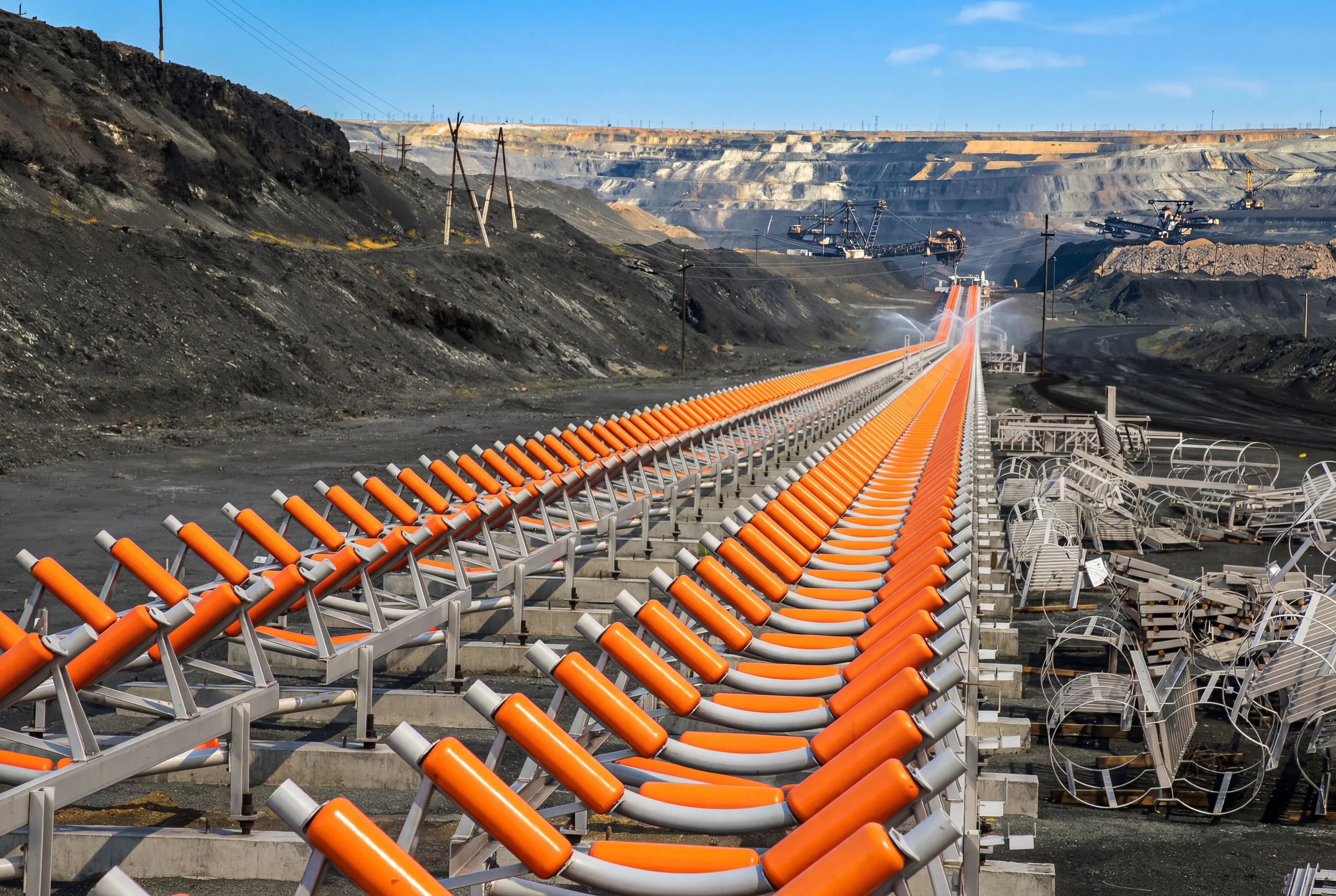
2025 Working Group Key Findings
- On 28.03.2025, the Climate Corporate Governance Policy was developed and approved, which defines the responsibility of the management for achieving the Company's climate goals and ensures that the management system is brought in line with the TCFD recommendations
- On 28 March 2025, the Regulation on the management of climate processes of "Samruk-Energy" JSC was approved as part of the implementation of the Action Plan for Climate Corporate Governance of "Samruk-Energy" JSC for 2025-2026, which prescribes a mechanism for interaction between structural divisions, ensuring the coordination of their work to achieve the overall climate goals of the company
- On 30.04.2025, the Action Plan for the implementation of the Energy Transition Program of "Samruk-Energy" JSC until 2060 was approved, which spells out the practical implementation of the Energy Transition Program through specific actions, deadlines and responsible persons aimed at reducing emissions, improving energy efficiency and achieving the Company's climate goals.
Working Group Plans for 2026
- Development of a report on the implementation of the energy transition programme for 2025 of "Samruk-Energy" JSC until 2060 (Q3-Q4 2026)
- Updating the energy transition programme of "Samruk-Energy" JSC until 2060 (Q3-Q4 2026)
- Updating of the Regulation on the Management of Climate Processes of "Samruk-Energy" JSC (Q3 2026)
Remuneration and performance evaluation
IFRS S2 (p.6a(v),29(g))
The effectiveness of the Company's work in the field of climate issues management is annually reflected in the motivational maps of the KPI of the members of the Management Board of "Samruk-Energy" JSC. The approved KPI motivation maps annually establish indicators in terms of climate issues, including
- Implementation of investment projects to reduce environmental impact
- Implementation of the Action Plan of the Energy Transition Program until 2060
- Dynamics of carbon intensity over the past three years relative to the base year
- Implementation of an automated system for monitoring emissions into the environment
- Ensuring the level of specific consumption of equivalent fuel at power plants of national importance EGRES-1, EKIBASTUZ GRES-2.
- Implementation of the Energy Saving and Energy Efficiency Improvement Program in "Samruk-Energy" JSC Group of Companies for 2026-2031
The Nomination and Remuneration Committee of the Board of Directors of "Samruk-Energy" JSC evaluates the activities of the Management Board and prepares recommendations for the subsequent adoption of a decision by the Board of Directors of "Samruk-Energy" JSC on the payment or non-payment of remuneration. The Board of Directors of "Samruk-Energy" JSC, at its discretion, taking into account the recommendations of the Nomination and Remuneration Committee in respect of executives, may decide on the issue of payment and amount of remuneration.
Climate scenario analysis and associated risk assessment
GRI 3-3, 201-2, TCFD: Strategy, IFRS S2.15(d)
"Samruk-Energy" JSC applies an integrated approach to scenario modelling, covering short-, medium- and long-term planning horizons. The analysis is based on multi-factor forecasts, including macroeconomic, financial and climatic parameters, which ensures the strategic positioning of the Company, rational allocation of capital and assessment of the resilience of the business model to potential risks.
In 2025, the Company additionally conducted a detailed assessment of the impact of physical and transitional climate risks, as well as opportunities on financial performance, and also performed a scenario analysis for the horizons up to 2030, 2040 and 2060. It is based on corporate scenarios developed within the framework of the Energy Transition Program of "Samruk-Energy" JSC until 2060, and is integrated into strategic and investment planning.
The assessment of the financial effects of climate risks and opportunities was carried out using a specialised scenario climate model for strategic and management analysis. In some cases, the model may differ from the IFRS financial statements due to the use of management assumptions, approximations and scenario estimates necessary to take into account the physical and transitional climatic factors of assets.
Climate Transition Scenarios
To assess the risks and opportunities associated with the energy transition, corporate scenarios were identified in relation to the baseline scenario, which depend on the level of climate ambition at the global and local levels. Each corporate scenario in the model is mapped to the IEA World Energy Outlook international scenarios, reflecting different climate and energy policy trajectories
- Business as usual is a baseline scenario without significant technological and political changes, serving as a benchmark for comparison. Based on the extrapolation of current trends and conditions, STEPS (The Stated Policies Scenario) assumes that the current measures will be maintained without achieving all the stated goals. Corresponds to a global warming trajectory of about 2.5 °C by 2100.
- Decarbonisation scenario - provides for a moderate reduction in GHG emissions. It is based on APS (The Announced Pledges Scenario) and reflects the impact of the announced climate commitments, allowing you to assess their sufficiency and identify areas where climate action needs to be strengthened. It corresponds to a temperature trajectory of about 1.7-1.8 °C by 2100.
- The scenario of deep decarbonisation is an ambitious scenario involving a significant increase in the share of renewable energy sources and the use of low-carbon technologies. It complies with NZE50 (Net Zero Emissions) and involves the decommissioning of conventional capacities to achieve a trajectory with a probability of keeping warming within 1.5°C.
Corporate scenarios determine the key parameters of the Group's strategic development, including the generation structure, investment programme and the level of impact of climate factors.
Physical climate scenarios
IPCC AR6 scenarios were used to assess physical climate risks, reflecting different levels of global emissions and the intensity of physical forcings
- RCP 8.5 – High Physical Impact Scenario Applied as a Stress Scenario
- RCP 4.5 – Moderate Physical Impact Scenario
- RCP 2.6 – Low climate load scenario.
The model implemented a link between corporate scenarios and physical climate trajectories
- Business as usual - RCP 8.5;
- Decarbonisation - RCP 4.5
- Deep Decarbonisation - RCP 2.6.
The table below shows the Group's targets for scenarios and time horizons.
| № | Name of the target indicator | Unit of measurement | 2021 23 | 2030 | 2040 | 2050 | 2060 |
|---|---|---|---|---|---|---|---|
| Decarbonisation scenario | |||||||
| 1 | Net carbon footprint 24 | mln tonnes | 40.31 | 54 | 31.4 | 7 | 0 |
| 2 | Reducing the net carbon footprint by 2021 | % | - | +33 | -22 | -87 | -100 |
| 3 | Reduction of specific GHG emissions | % | ≥40 | ≥45 | ≥70 | ≥95 | |
| Scenario: Deep decarbonisation | |||||||
| 1 | Net carbon footprint | mln tonnes | 40.31 | 54 | 31.4 | 0 | 0 |
| 2 | Reducing the net carbon footprint by 2021 | % | - | +33 | -30 | -100 | -100 |
| 3 | Reduction of specific GHG emissions | ≥40 | ≥45 | ≥80 | ≥100 | ||
Taking into account the climate policy of Kazakhstan, global trends and its own goals, the Company sets the following tasks in the Decarbonisation scenario
- Achieving carbon neutrality by 2060 (main target)
- Reduction of specific GHG emissions from the Company's activities by ≥40% by 2030, ≥45% by 2040, by ≥70% by 2050, and by ≥95% by 2060 compared to the base year (monitoring objective).
The graph below shows the summary dynamics of GHG decline under the three scenarios.
Dynamics of GHG decline under 3 scenarios
Fact
taking into account the measures taken and offset carbon units
The tables below show the projected values of the shares of different types of generation and changes in the net carbon footprint in different scenarios
Decarbonisation scenario (unconditional)
| Name | 2030 | 2040 | 2050 | 2060 |
|---|---|---|---|---|
| SE market share | 64% | 63% | 55% | 47% |
| Share of "clean" energy | 33% | 30% | 34% | 37% |
| Share of conventional generation (coal, gas) | 67% | 70% | 66% | 63% |
| Net US | +33% | -22% | -87% | -100% |
Scenario Deep decarbonisation (conditional)
| Name | 2030 | 2040 | 2050 | 2060 |
|---|---|---|---|---|
| SE market share | 64% | 65% | 56% | 48% |
| Share of "clean" energy | 33% | 32% | 40% | 46% |
| Share of conventional generation (coal, gas) | 67% | 68% | 60% | 54% |
| Net US | +33% | -30% | -100% | -100% |
The scenarios and assumptions presented below were used as the basis for the assessment of potential impacts
Assumptions used in scenario analysis
| Scenarios | Key assumptions |
|---|---|
| NDC – Soft | National Environmental Code – LRF 1.5%Provision of free quotas until 2060 – up to 42% starting from 2022A moderate fee for CO2 emissions up to 29 euros/tons of CO2 in 2060Environment-related payments and related capital expenditures to achieve BATLack of investment in renewable energyLosses from coal revenues are 100% in 2060 compared to 2021. |
| NDC – Hard | National Environmental Code – 4% LRFProvision of free quotas until 2060 – up to 15% starting from 2022High payments for CO2 emissions up to €222/tonne of CO2 in 2060Environment-related payments and related capital expenditures to achieve BATLack of investment in renewable energyLosses from coal revenues are 100% in 2060 compared to 2021. |
| Net Zero – Soft | Downward trend in USAID CN quotas (50% reduction in 2031 and 60% reduction in 2036)Provision of free quotas until 2039 – up to 4% starting from 2022High payments for CO2 emissions up to €200/tonne of CO2 in 2060Environment-related payments and related capital expenditures to achieve BATInvesting in renewable energy sources, ensuring business developmentLosses from coal revenues are 100% in 2060 compared to 2021. |
| Net Zero – Hard | CBAM trend of free quotas (0% in 2032)Provision of free quotas until 2031 – up to 24% starting from 2022High payments for CO2 emissions up to €603/tonne of CO2 in 2060Environment-related payments and related capital expenditures to achieve BATInvesting in renewable energy sources, ensuring business developmentLosses from coal revenues are 100% in 2060 compared to 2021. |
Analysis results
The results of the scenario analysis indicate the preservation of the financial stability of "Samruk-Energy" JSC under all corporate development scenarios, with the exception of certain stress periods in the most ambitious scenarios of deep decarbonisation. In the long term until 2060, the baseline and managed scenarios of the energy transition provide positive operational and financial indicators, while the scenario of managed decarbonisation forms a more stable development profile compared to the scenario of inaction.
Scenarios of deep decarbonisation are accompanied by a temporary decrease in financial performance at the intermediate stages of implementation, but in the long term (after 2045-2050) they provide the best conditions for sustainable growth and reduction of strategic climate risks. The impact of physical climate risks does not lead to a change in the basic trajectory of financial development, but increases the burden on the Group's hydropower and thermal assets, as well as on its infrastructure.
The results of the scenario analysis were used to identify and assess physical and transitional climate risks and opportunities, and to analyse their potential impact on the Group's strategy, asset portfolio and financial performance.
As a result of the analysis of the scenarios for the development of the Energy Transition Program of "Samruk-Energy" JSC, the Company has identified the following significant climatic, physical and transition risks.
Climate Risks and Their Impact on the Energy Sector
IFRS S2.12
| Cat. | Risks | Aftermath | Minimisation measures |
|---|---|---|---|
| Physical risks | |||
| Wind energy | Low wind speed | Instability of power generation, reduced system efficiency | Infrastructure modernisation, monitoring and adaptation to changes in wind conditions |
| Solar energy | Cloudiness and precipitation | Decrease in the power of solar panels, unstable energy production | Development of technologies to improve efficiency in cloudy and precipitation conditions |
| Hydropower | Uneven precipitation, temperature and wind fluctuations | Instability in electricity generation, possible fluctuations in water resources | Development of water resources management systems, creation of reserve reservoirs and dams |
| Traditional energy (TPP) | Extreme temperatures | Increased risk of accidents, increased equipment and system maintenance costs | Increased structural stability of equipment, modernisation for operation in extreme temperatures |
| Energy infrastructure | Precipitation and extreme weather events | Increased risk of accidents, reduced overall efficiency of energy systems | Creating backup energy sources, increasing resilience to extreme weather conditions, upgrading equipment |
| Climate Transition Risks | |||
| Political and Legal Risks and Regulatory Risks | Tightening international and national climate change policies, introducing a cross-border carbon tax (CBAM), tightening environmental legislation, carbon pricing. | Increased costs for compliance with new standards, possible fines and sanctions, the need for changes in business models. | Monitoring of information (politicians, analysts, etc.) in the field of climate changetimely adjustment of the Group's Energy Transition Program, active participation in the formation of climate policy, and compliance with environmental standards. |
| Reputational risks | Stakeholders' perception of the Group's participation in the transition to a low-carbon economy. | Loss of confidence from consumers, investors and other stakeholders, reduced competitiveness. | Transparency in activities, regular disclosure of information on environmental impact and measures to reduce it |
| Ongoing/prospective investment projects within the framework of the Program | Untimely or poor-quality implementation of investment projects and investment programmes of subsidiaries and affiliates, lack of financing | High cost of projectslack of sources of financingInsufficient own funds to finance projects and limited borrowing capacityElectricity and capacity tariffs that do not ensure the payback of projectsPoor knowledge of CCUS technologies and the possibility of their application to the Group's TPPsFailure to meet project deadlines | Conducting explanatory work among the population and strict control during the implementation of the projectObtaining an individual tariff for electricity and capacityAttracting a strategic investor within the framework of projectsSearch for new technologies control over the implementation of activities in accordance with the project implementation scheduleComprehensive study of new technologies with the involvement of research institutes and international organisations |
| Technological risks | Accelerating the transition to a low-carbon economy and the need for continuous monitoring and implementation of new technologies. | Delays in the transition process, insufficient adaptation to new technologies, reduced competitiveness. | Continuous monitoringdevelopment of our own solutions in the field of energy efficiencyImproving the energy efficiency of production through energy saving, energy management, optimisation of industrial processes |
| Threat to the country's energy security | Conservation of traditional thermal power plants, sale of traditional assets | Reduced reliability of power supply, power shortages during peak load periods, social tensions, | Implementation of projects for the development of renewable energy sourcesdevelopment of storage technologies, Construction of coal-fired generation facilities equipped with modern, environmentally friendly equipment |
| Growth in electricity consumption until 2060 | Consumption growth (digital mining, blockchain, population growth of the Republic of Kazakhstan, etc.) | Shortage of generating capacities and reduced reliability of power supply | Commissioning of additional "clean energy" capacities, development of energy saving and energy efficiency programmes |
| Limited energy resources | Limited potential of water resources, wind, gas, geothermal sources, etc. in the Republic of Kazakhstan | Shortage of fuel for power plants and a decrease in electricity generation, an increase in the cost of energy production due to higher fuel prices or imports | Development of new technologies in the energy sector (hydrogen, solar power plants) |
| Social risks | Reduction of jobs in traditional industries and the need to retrain personnel. | Increase in social tension, dissatisfaction of employees, shortage of qualified personnel. | Development of retraining programmes, support for employees in the transition period, creation of new jobs in the "green" sectors. |
| Currency risks | Changes in the exchange rate of the national currency | Increase in the cost and threats to the implementation of current and future projects | Prevention of foreign currency loans leading to violation of the established OCP Timely adjustment of the Energy Transition Program |
Financial impact of physical risks
IFRS S2.15
The scenario assessment shows that physical climate risks can have a significant impact on the Company's financial and operating performance over the long term. The main sources of impact are a decrease in HPP generation, an increase in repair cycles and capital expenditures, a decrease in the efficiency of thermal units, as well as potential costs of emergency recovery measures. The impact of physical risks is predominantly long-term and increases after 2040.
In response to these risks, the Company is implementing a set of adaptation measures, including the modernisation of hydroelectric power plants, thermal modernisation of thermal units, strengthening the resilience of critical infrastructure, the introduction of predictive digital models of water content and weather factors, as well as the development of emergency recovery plans.
The physical risk assessment was carried out for the purposes of strategic and management analysis based on the scenario climate model and is used to determine priority areas for adaptation and increasing climate resilience.
Financial impact of transition risks
IFRS S2.15
The tightening of climate policy, the development of carbon regulation, the growth of requirements for the environmental characteristics of assets and the technological transformation of the industry form a range of transition risks for the Group. The most significant impact is related to a potential increase in carbon payments, a decrease in the competitiveness of coal-fired generation, additional costs for equipment upgrades, and increased requirements for the environmental efficiency of plant operations.
The highest concentration of impacts is expected in the period 2030-2045, when accelerated changes in the ETS are taking place and energy efficiency requirements are increasing.
In response, the Company is implementing a programme to modernise thermal power plants, develop renewable energy and hydropower generation, introduce digital solutions, and also work on the possibilities of using CCUS solutions at the Ekibastuz energy hub. These measures reduce dependence on carbon-intensive generation and limit the growth of the ETS load.
In the short term (until 2030), transitional climate risks due to changes in the regulatory environment, carbon regulation parameters and the need to make investment decisions as part of the implementation of the corporate strategy are of decisive importance.
In the medium term (until 2040), the combined impact of transitional and physical climate risks is increasing, manifested, in particular, through an increase in operating costs, an increase in the need for capital investments and the need to adapt assets to changing climatic conditions.
In the long term (until 2060), the impact of physical climate risks is becoming more pronounced due to the impact of climatic factors, including changes in the hydrological regime, temperature extremes and an increase in the frequency of extreme weather events. These risks have a significant impact on the operating modes, reliability and performance of the Company's assets, especially in scenarios with increased climatic loads.
These findings are used by the Group to prioritise climate risks and inform management decisions.
Climate opportunities
TCFD: Strategy and Risk Management, IFRS S2.13
The transition to low-carbon energy and the implementation of the Company's Energy Transition Program until 2060 form a wide range of strategic opportunities that can ensure long-term growth, improve operational efficiency, and reduce carbon risks. With the country's largest diversified generation portfolio, including coal and gas plants, large hydroelectric power plants, renewable energy sources and the Bogatyr Komir coal mining asset, the Company has unique prerequisites for creating competitive advantages against the backdrop of global climate transformation.
Key opportunities are formed at the intersection of technological modernisation, the growth of the share of clean energy, the development of digital solutions and the availability of climate finance.
| Feature description | Potential impact | Financial impact |
|---|---|---|
| Scaling up low-carbon generation and developing renewable energy sourcesAccelerated introduction of renewable energy sources is one of the fundamental elements of the Company's strategy, reflected in the portfolio of projects with a total capacity of more than 2 GW. This includes the launch of new wind and solar plants, the development of projects together with foreign partners, as well as the modernisation of existing hydroelectric power plants of the Irtysh cascade. | Climatic opportunities in this direction includeAn increase in the share of fuel-free generation, which forms a predictable margin in the context of tightening ETSReduction of specific CO2 emissions and, accordingly, reduction of carbon payments in the APS and NZE scenariosIncreased investment attractiveness, including access to green finance, international bonds and Article 6 facilitiesImproving energy resilience, especially in the face of rising temperature loads and reduced availability of coal assets. | The financial effect is formed by increasing the share of low-carbon generation, reducing carbon costs, increasing the stability of cash flow and expanding access to climate and green finance instruments. |
| Modernisation of coal and gas assets and energy efficiencyPhased modernisation of thermal power plants is a key area of reducing carbon intensity and increasing efficiency. | Potential improvements in boilers, turbines, cooling systems and the introduction of high-efficiency combustion technologies offer the following opportunities:Reduction of specific fuel consumption by 2–4% when upgrading priority unitsincrease in equipment efficiency and productivity, reduction of accidentsReduction of natural energy losses and wear and tear of equipmentreducing the risks of technological backwardness, especially in the APS and NZE scenarios. | The economic impact is enhanced by a parallel reduction in carbon costs and improved equipment availability. |
| Digitalisation of operations, dispatching and demand management"Samruk-Energy" JSC actively implements digital systems for generation forecasting, online monitoring of emissions, predictive maintenance and management of operating modes of thermal power plants and hydroelectric power plants. | These initiatives provide the following opportunitiesIncreasing the availability of TPP and HPP equipment by 1.5–2.0 p.p.Reducing the frequency of accidents and unplanned repairsImproving balancing during climate-driven consumption peaksImproving the quality of forecasting water content, temperature and wind activityPreparing for future demand response mechanisms (DSMs) in the southern power zone. | The financial effect is achieved by reducing OPEX and extending the life of equipment, reducing accidents and improving the efficiency of production mode management. |
| Monetisation of the green component of the portfolio and access to climate financeThe development of climate finance instruments creates additional sources of income | For the Company, this area can become a strategic driver of growth due to issuance of "green" corporate bonds for the modernisation of hydroelectric power plants and renewable energy sources Sales of environmental certificates in the domestic and regional markets participation in carbon credit markets (including the implementation of Article 6 of the Paris Agreement), especially after the commissioning of CCUS solutions at the Ekibastuz energy hub attracting preferential climate investments from international financial institutions. | The financial effect is formed by diversifying sources of financing, reducing the cost of raising capital, developing additional sources of income and increasing the investment attractiveness of the Company. |
The key source of the sustainable positive effect of climate opportunities is the comprehensive transformation of the Group's production portfolio, an increase in the share of low-carbon generation, an increase in the energy efficiency of thermal assets, the digitalisation of operating modes and access to climate finance. Together, these areas improve operational efficiency, reduce carbon costs, and generate additional revenue streams.
Cumulative financial impact
Based on the results of scenario modelling, climate opportunities can have a positive financial effect on operating indicators in the post-2030 horizon. The contribution is formed by increasing the production of renewable energy sources and hydroelectric power plants, improving the efficiency of thermal power plants, reducing technological losses, optimizing OPEX and monetizing "green" attributes. Sustainable financial benefits are expected to begin to manifest themselves from 2030-2032, with a consistent increase in the effect as new generation facilities are commissioned, equipment is modernised, and climate finance mechanisms are expanded.
Estimating the Annual Costs Required
The implementation of climate-driven opportunities requires regular investments in the modernisation of production facilities, the introduction of digital solutions and the preparation of infrastructure for green finance during the period of active transformation (2028–2040).
Methodology for assessing the financial impact of climate opportunities
IFRS S2.13
The indicative financial impact of climate opportunities has been calculated based on a dedicated climate scenario model as part of the preparation of this TCFD and IFRS S2 disclosure and used to quantify climate risks and opportunities. The model is integrated with the key parameters of the Energy Transition Program of "Samruk-Energy" JSC until 2060 and reflects the scenario trajectories of the transformation of the generation portfolio in the context of the energy transition. The assessment was carried out by comparing the baseline development scenario with low-carbon scenarios and reflects the differential effect of changing the structure of generation, improving energy efficiency, digitalisation and expanding access to climate finance.
The financial effect was formed aggregated across the Company's asset portfolio and was calculated as the difference in estimated financial results between the scenarios, taking into account the projected production of renewable energy sources and hydroelectric power plants, a decrease in specific fuel and operating costs at the modernised thermal units, an increase in the equipment availability factor, as well as the effects of increased operational efficiency and equipment availability, reflected in the scenario adjustments to production and operating costs. Calculation includes scenario assumptions built into the climate model, including electricity price trajectories, revenue and cost parameters, and CO2 emission prices according to IEA World Energy Outlook (STEPS, APS, NZE) scenarios, and IPCC AR6 physical climate assumptions.
The values presented reflect the indicative gross operating effect calculated based on the scenario assumptions of the climate model. Possible additional changes in the regulatory and tariff environment in excess of the scenario parameters were not taken into account. The estimate is averaged for the post-2030 horizon, is not a financial forecast or liability of the Company and is used solely for the purposes of strategic analysis, comparability of climate opportunities and disclosure of information in accordance with the TCFD recommendations and the requirements of IFRS S2.
This disclosure has been prepared as part of the first phase of the implementation of IFRS S2 in the Company and reflects the current level of maturity of internal approaches to quantifying climate financial effects. In this regard, first of all, the qualitative conclusions and the most stable results of scenario analysis are revealed.
Risk management
IFRS S2.25, TCFD: Risk Management
As part of the analysis of scenarios for the development of the Energy Transition Program of Samruk-Energy JSC until 2060, in 2025 the Group continued to work on assessing climate risks. Significant climatic, physical and transition risks have been clarified and updated in the Consolidated Register and Risk Map for 2025, which also reflects the factors of their occurrence and potential consequences.
The approach to risk identification was based on the recommendations of the Technical Committee on Climate-related Financial Disclosures (TCFD), which provided a comprehensive analysis of both current climate risks and future changes in the Company's operations in the process of transition to carbon neutrality.
Climate risk assessment is integrated into strategic planning, development of investment projects, medium-term and annual planning. Both qualitative and quantitative methods of analysis are used in the assessment, including scenario modelling, analysis of financial effects and the use of key risk indicators (KPI). Risk assessment includes consideration of the sources and causes of each risk, the negative consequences of their implementation, and the likelihood that a certain risk will materialise.
The risk map of "Samruk-Energy" JSC is a risk assessment matrix (heat map), in which risks are distributed according to the levels of probability and magnitude of impact. The colour scale reflects the priority of risks
- green – low risk,
- yellow — moderate,
- orange – increased,
- Red/Dark Red – High and Critical level.
The matrix highlights key categories
- Climate physical risks and climate transition risks located in the temperate zone, indicating their importance for the sustainability of activities
- Environmental risks located in a high-level zone, which reflects their potentially significant impact and the need for priority management.
The table is used to visually compare different types of ESG risks and determine the focus of measures to manage and mitigate negative effects.
Risk management measures
IFRS S2.25
The Company pays significant attention to climate risk management issues to provide a reasonable guarantee of achieving strategic goals. "Samruk-Energy" JSC implements a wide range of measures to manage climate risks. Climate change risk assessment is taken into account when creating the conditions used to develop the Company's Strategy, evaluate investment projects and develop annual and medium-term plans. The financial consequences of risks before the adoption of measures are fines for violations of the requirements of legislative restrictions, an increase in tax rates for pollutant emissions.
For effective management of climate risks and adaptation to their potential impact, "Samruk-Energy" JSC has developed a comprehensive action plan aimed at reducing environmental and climate risks and complying with the law. Within the framework of this plan, the following actions are envisaged
- Monitoring compliance with the norms of legislation in the field of environmental protection, water resources and deadlines for submitting applications for emission permits and reporting to state regulatory authorities
- Monitoring of the use of the limit of greenhouse gas emission quotas, adjustment of
- Compulsory environmental insurance
- Interaction with government agencies in the process of developing regulatory legal acts in the field of environmental protection
- Monitoring of budget execution under the item "environmental protection"
- Monitoring the impact of economic activities on aquatic ecosystems, fauna and flora
- Preparation for flood and thunderstorm periods
- Investments in the installation of cooling/heating systems
- Compliance with the approved schedules for the repair of the main equipment
- Disclosure of information on climate risk as part of the Annual Integrated Report
- Development of measures to eliminate natural accidents
- Implementation of measures for 2025 from the Energy Transition Program of "Samruk-Energy" JSC until 2060
- Interaction with authorised state bodies in the process of developing regulatory legal acts in the field of climate.
- Disclosure of information on climate risk as part of the Annual Integrated Report
Measures to manage risks associated with greenhouse gas emissions into the atmosphere and mitigate the corresponding impact on the environment
- Wind farms and hydroelectric power plants
- Solar energy
- Geothermal energy
- Hydrogen energy
- International cooperation.
Alternative energy
Network Infrastructure and Regulation
- Modernisation of networks and implementation of Smart Grid
- Energy storage systems and manoeuverable generation.
Traditional energy
- Reduction of CO₂ emissions through gasification of coal-fired thermal power plants.
- Coal preparation and gasification
- Carbon Dioxide Capture and Storage (CCUS)
- Energy Efficiency and Resource Conservation
- Green transport
- Carbon farms and offsets.
Emissions management
- Carbon metering and digitalisation
- Changes in the regulatory environment
- Green financing.
- ESG Compliance
- Localisation of production.
Supporting Events


Climate Change Strategy
GRI 3-3, TCFD: Strategy, IFRS S2.14
The efforts of "Samruk-Energy" JSC to combat climate change are one of the key components of the Company's development strategy both in the short and long term. We fulfill our role by identifying the best adaptation measures to adapt to the changes that are inevitable to one degree or another, with greater or lesser frequency and intensity. Adaptation includes all initiatives implemented by the Company to improve the resilience of its assets, increase the ability to respond to extreme climate events and develop strategic options and business models that will take into account the different needs of climate change. The company is leading the energy transition through the decarbonisation of electricity generation, increasing the share of renewable energy sources, reducing pollutant emissions, and implementing new investment projects. In particular, the main goals of the Development Strategy of Samruk-Energy JSC for 2024–2033, the achievement of which will contribute to mitigating the impact on the climate and the environment, are as follows
Increasing the share of renewable energy sources. "Samruk-Energy" JSC aims to increase the share of renewable energy sources in its generation and reduce the negative impact on the environment. The company focuses on the development of alternative energy sources, such as renewable energy sources and hydropower generation. The company plans to modernise existing and build new renewable energy facilities, as well as expand hydroelectric power plants. According to the Company, "Samruk-Energy" JSC provides more than 40% of renewable energy capacities in Kazakhstan, and in the future the company plans to increase this share by implementing projects in partnership with international strategic partners. Redistribution of the generation structure. Comparing the growth rates of renewable energy capacity and coal-fired power plants, "Samruk-Energy" JSC plans to be significantly ahead of traditional energy sources, increasing the share of renewable energy sources in capacity growth to 30%, while the share of coal-fired power plants will be 34%. This will significantly change the structure of generation towards more environmentally friendly and sustainable energy sources.
Decarbonisation and reducing the carbon footprint. Until 2033, the activities of "Samruk-Energy" JSC to reduce the net carbon footprint will be focused on increasing the share of renewable energy in the structure of power generation, the implementation of carbon offset and climate projects. It is also planned to introduce new technologies and implement climate projects that contribute to reducing net greenhouse gas emissions.
Implementation of renewable energy and hydropower investment projects and international cooperation. The key task of the energy transition is the construction of new renewable energy facilities and hydroelectric power plants. Renewables will provide a capacity increase of 6.2 GW (40%), including large-scale wind and solar projects with energy storage in cooperation with international partners. The development of hydropower generation involves both the construction of new stations and the modernisation of existing ones, providing an increase of 1.6 GW (10%). These measures will significantly increase the share of clean energy in the total energy balance.
Introduction of practices for the processing and beneficial use of waste (use of ash slag). Implementing recycling practices reduces environmental impact and carbon footprint, supporting a circular economy. In the electric power industry, ash slag can be used in the production of building materials, replacing part of the original components, which reduces costs and saves natural resources.
Ensuring a stable power supply from renewable energy generation facilities through the use of energy storage systems. Electricity generation from renewable energy facilities is highly dependent on weather conditions (wind speed for wind turbines) and time of day (illumination level for solar power plants), so the introduction of energy storage systems at renewable energy facilities will ensure a stable power supply to consumers during periods of increased demand and peak values of electricity consumption, as it will make it possible to accumulate electricity previously generated by renewable energy facilities and its Release to the network within the next few hours.
Resource efficiency
We see an opportunity in the implementation of measures to improve energy efficiency and energy conservation, and strive for the efficient use of resources, including fuel and energy and water.
The main measures to improve energy saving and energy efficiency are the rational use of fuel and energy resources based on the use of innovative technologies, modernisation and technical re-equipment of equipment.
The implementation of the planned measures to save energy and improve energy efficiency will reduce the specific fuel consumption for the production of a unit of production, thereby reducing specific CO2 emissions per unit of production.
Application of new technologies
Study and subsequent implementation of new modern technologies for carbon capture, use and storage, as a key factor in achieving climate goals and meeting the energy needs of society to reduce anthropogenic CO2 emissions and reduce the carbon intensity of products.
In the next reporting periods, we plan to deepen the disclosure of information on the impact of climate change issues on the Company, on risks and opportunities in accordance with the international TCFD methodology (Recommendations for Reflecting the Impact of Climate Risks in Financial Statements).
IFRS S2.25, TCFD: Strategy
Climate Corporate Governance Action Plan 2025-2026
Energy Transition Program of "Samruk-Energy" JSC until 2060
"Samruk-Energy" JSC aims to achieve carbon neutrality by 2060. To achieve this goal, the Energy Transition Program of "Samruk-Energy" JSC until 2060 has been developed, which defines strategic directions, goals and objectives for the introduction of resource-saving and environmentally friendly technologies. The programme covers the entire Group of Companies and includes medium-term (until 2030) and long-term (until 2060) plans, taking into account socio-economic and climate risks.
One of the Company's strategic goals is to accelerate the development of renewable energy sources and reduce the negative impact on the environment.
Key areas of the Energy Transition Program
Direction and tasks | Description |
|---|---|
1) Alternative energy1.1. Wind Farms and Hydroelectric Power Plants1.2. Solar energy | 1.1. Wind farms and hydroelectric power plants.The key and most ambitious task of the energy transition is the construction of new wind farms and hydroelectric power plants. In terms of increasing volumes by type of generation, the largest contribution will be made by wind farm projects, which account for 5.2 GW of installed capacity growth within the horizon of the Group's Development Strategy. In terms of the development of hydropower generation, it is planned to build both new stations and expand / modernise existing assets. The total new capacity will be 1.6 GW.1.2. Solar energy. The development of solar energy is also becoming a key factor for the transition to green energy and sustainable development. Reducing the cost of solar energy production by 20% respectively from 2018 to 2023 makes this technology competitive and contributes to the reorientation to renewable energy sources. "Samruk-Energy" JSC plans to implement a solar power plant with a total capacity of up to 1 GW within the horizon of the Strategy. |
1.3. Geothermal energy1.4. Hydrogen energy1.5. International cooperation | 1.3. Geothermal energy. "Samruk-Energy" JSC is considering the implementation of GeoTPP projects in the long term. The advantages of geothermal energy are complete safety for the environment, minimal CO2 emissions into the atmosphere, inexhaustibility of resources, independence from external conditions and time of day. In the long term, the Company plans to implement a pilot project for the construction of a 20 MW Geothermal Power Plant by 2060, which will generate an annual electricity production of more than 0.044 billion kWh.1.4. Hydrogen energy. Hydrogen in the electric power industry, especially as a backup fuel source for energy storage while using additional generating capacity, has a significant advantage in terms of environmental friendliness and availability. In Kazakhstan, special attention is paid to the launch of pilot projects for the use of hydrogen at thermal power plants. This opens up prospects for the Group to consider the use of hydrogen for decarbonisation purposes after exploring the possibility of application.1.5. International cooperation. The implementation of large-scale renewable energy projects implies the expansion of international cooperation and collaborations. Opportunities for participation in interstate projects are focused on the development of renewable energy sources to fulfill the "green" agenda and the expansion of basic capacities to reliably cover the growing demand for electricity. Also, within the framework of the "Deep Decarbonisation" scenario, in the long term, an additional volume of renewable energy sources has been calculated to achieve carbon neutrality - a wind farm and a pilot project of GeoTPP, with a total capacity of 3,000 MW. |
2) Traditional energy2.1. Reduction of CO2 emissions through gasification of coal-fired thermal power plants | 2.1. Taking into account that a complete abandonment of coal in the horizon of 20-30 years in Kazakhstan is practically impossible, in order to reduce emissions into the environment, as part of the execution of the instructions of the President of the Republic of Kazakhstan Kassym-Jomart Tokayev, voiced in the Address to the people of Kazakhstan on 1 September 2021, the Company is implementing gasification projects in Almaty 1) The expansion of Almaty CHP-1 (80 MW) will ensure the reliability of heating and electrification of Almaty.2) Modernisation of the Almaty CHP-2 (37 MW) in order to reduce the negative impact of the plant on the environmental situation of the city of Almaty and the Almaty region.3) Reconstruction of the Almaty CHP-3 (371 MW) with the construction of a CCGT.The conversion of Almaty CHP-2 and CHP-3 to gas will reduce greenhouse gas emissions of "AlES" JSC by 30%. |
3) Network infrastructure and regulation3.1. Modernisation of networks and implementation of Smart Grid3.2. Energy storage systems and manoeuverable generation | 1.1. Modernisation of networks and implementation of Smart Grid. Achieving renewable energy targets as part of commitments to achieve carbon neutrality requires the modernisation of networks and the introduction of Smart Grid technologies and energy storage systems.1.2. Energy storage systems and manoeuverable generation.Energy storage systems are a key element for improving the reliability of electricity supply from renewable sources. They allow you to accumulate excess electricity generated during periods of low demand and use it during peak periods. Current projects involve the active commissioning of shunting capacities, both in terms of the most classic gas stations (for example, the Kyzylorda CCGT) and in terms of alternative types of shunting generation (hydroelectric power plants, pumped-storage power plants, ESS). |
4) Emissions management4.1. Coal preparation and gasification4.2. Carbon Dioxide Capture and Storage (CCUS)4.3. Energy Efficiency and Resource Saving4.4. Green transport4.5. Carbon farms and offsets | 4.1. Coal enrichment and gasification. The Company continues to study coal gasification and enrichment technologies at open-pit coal mines.4.2. CCUS is considered as an option in the framework of mitigation measures aimed at stabilizing atmospheric concentrations of greenhouse gases. Currently, the Group is working on the study of CCUS technology and the possibility of its application to large EPO of the Company.4.3. Energy efficiency and resource saving. Given the high energy intensity of production, the Company attaches great importance to improving energy efficiency. The company introduces advanced technologies and rationally uses natural resources. Particular attention will be paid to the rational use of resources. The management of energy efficiency issues is based on the energy management system, in accordance with the requirements of the international standard ISO 50001:2018.4.4. Green transport. The company considers "green" transport as one of the possible measures to reduce greenhouse gas emissions under Scope 3. However, due to the lack of developed necessary infrastructure and proper financial preferences, this type of transport has low competitiveness compared to cars running on traditional fuels. For the Company, the development of the electric vehicle industry is possible in the following areas- Use of energy from renewable energy sources at electric charging stations- partial conversion of the Company's vehicles to gas and electric vehicles.4.5. Carbon farms and offsets. Carbon offset is a way to offset greenhouse gas emissions by supporting projects that reduce their levels. Due to the tightening of environmental legislation and the reduction of free quotas, the Company is considering the possibility of intra-group sales of renewable energy offset units to compensate for the missing volume of greenhouse gases at traditional power plants. |
5) Support measures5.1. Carbon accounting and digitalisation5.2. Changes in the regulatory environment5.3. "Green" financing5.4. ESG Compliance5.5. Localisation of production | 5.1. Carbon accounting and digitalisation. In order to conduct a comprehensive analysis and assessment of the current situation with direct and indirect GHG emissions, the Group will develop the practice of reporting under the CDP climate programme.The modernisation of the energy infrastructure will be aimed at reducing the wear and tear of generating capacities, as well as at increasing the equipment of modern metering systems, which will reduce the overall losses and accidents of the power system, thereby meeting the goals of sustainable development.5.2. Changes in the regulatory environment.Proposals for improving the regulatory environment of the Republic of Kazakhstan, including such issues as tariff regulation, measures to support renewable energy sources, improving quota distribution mechanisms and stimulating the reduction of electricity consumption, creating an effective system for trading offset units, etc.5.3. "Green" financing.Use of green financing instruments such as green bonds, green concessional lending and subsidies for green projects.5.4. ESG Compliance.Implementation of sustainable development principles in the Group's activities, annual publication of sustainability reports, certification of the Group's operations according to ISO international standards, participation in ESG ratings that help monitor the quality of sustainability management.5.5. Localisation of production.The high level of import substitution in the energy sector puts the industry at risk due to disruptions in global supply chains. The transfer of the production of key components to the domestic market will reduce costs, increase the country's energy security and stimulate the development of domestic production. The Company is constantly taking measures to increase domestic value in accordance with the Program for Increasing Domestic Value in the Total Procurement of Goods, Works and Services, including the implementation of investment projects to organise new production facilities for subsidiaries (for example, the organisation of production in Kazakhstan of components (blades, nacelles and towers) for wind farms together with partners). |
Energy efficiency
GRI 3-3
Energy efficiency has a direct impact on the key performance indicators of energy companies, forming the basis for competitiveness and sustainability.
For "Samruk-Energy" JSC, this is at the same time
- A tool for reducing operating costs
- Environmental responsibility factor
- A mechanism for increasing investment attractiveness
- The basis for meeting climate commitments.
Reducing the specific fuel consumption for electricity and heat generation leads to a proportional reduction in CO2 emissions.
In the context of the market transformation of the electric power industry, when elements of a competitive capacity market are introduced and environmental standards are tightened, "Samruk-Energy" JSC considers energy efficiency in corporate documents as a key factor in achieving climate goals and long-term business sustainability and continues to work to improve the energy efficiency of its enterprises to reduce the impact on the environment and support the fight against climate change through the introduction of optimisation measures to reduce the consumption of energy and natural resources.
In 2025, the Energy Saving and Energy Efficiency Program was updated. During the development of the Program, 12 production subsidiaries of the Company were inspected, organisational, technical, regulatory, personnel and other measures were formed to save energy and improve energy efficiency.
In general, the Energy Saving and Energy Efficiency Improvement Program of "Samruk-Energy" JSC Group of Companies for 2026-2031 is formulated in the context of global trends (decarbonisation, digitalisation, AI and ESG) and strategic priorities of Kazakhstan.
Energy efficiency is recognised by the Company as a key driver of competitiveness, environmental responsibility and operational sustainability. The external environment simultaneously creates challenges (regulatory, technological, financial) and opportunities (green financing and partnerships) that require mandatory consideration in the implementation of the Program.
In this regard, the implementation of the Programme for 2026–2031 is not only an obligation, but also a necessary tool for the Company's adaptation to new economic, technological and climatic conditions. The programme provides a systematic approach to reducing energy costs, modernizing equipment, digitalizing processes and increasing the maturity of EnMS, forming the basis for the long-term sustainability of the group of companies.
The Program is a fundamental document for planning and implementing activities in the field of energy saving and energy efficiency and is aimed at reducing the energy intensity of products and improving the energy efficiency of subsidiaries for the period 2026-2031. This is achieved through the rational use of resources, reducing the impact on the environment and achieving the set targets.
Main tools of the Program
- KPIs have been defined for each subsidiary and "Samruk-Energy" JSC as a whole.
- The maturity of the energy management system was assessed according to ISO 50001.
- Constant monitoring and analysis of the achievement of goals.
- Implementation of measures to improve energy efficiency.
- Improving the efficiency and manageability of energy consumption in subsidiaries.
In November 2025, we successfully passed a supervisory audit of the corporate management system and confirmed the compliance of the certified corporate management system with the international standards ISO 9001, ISO 14001, ISO 45001, ISO 50001, ISO 37001.
Energy saving and energy efficiency measures
GRI 302-1 25, GRI 302-4, GRI 12: Coal Sector: 12.1.2
A key indicator of reliability is a reduction in the number of technological failures. As a result of the implementation of the planned activities, the systematic daily work of power engineers, and consistent investment of funds, it was possible to reduce their number by 7% compared to 2024.
At the end of 2025, 67 (with the plan of 65) various measures were completed, the implementation of measures to improve energy efficiency in the group of companies of "Samruk-Energy" JSC made it possible to save more than 247 thousand tonnes of coal equivalent (tce) in the amount of 2.7 billion KZT (with a plan of 1.5 billion KZT).
In 2025, the total energy consumption (taking into account the consumed resources according to GRI reporting) amounted to 213,025 thousand GJ, including Energy Solutions LLP.
Energia Semirechyа LLP is included in the boundaries for this indicator
Key energy indicators, thousand GJ
| Energy Reduction | 2023 | 2024 | 2025 | Δ 2025/2024, % |
|---|---|---|---|---|
| Amount of energy savings | 10,043 | 9,290 | 9,616 | 3.5 |
The implemented measures made it possible to
- Rational use of resources
- Reduce pollutant emissions
- Reduce abrasion of equipment
- Reduce commercial losses of electrical energy
- Optimise the workload of personnel.
Methodological approaches and sources of information
Diagnostics was carried out on the basis of the developed EnMS maturity matrix, which includes eight main blocks
- Context and leadership
- Energy Management Planning
- Staff support and engagement
- Operational processes and monitoring
- Performance Evaluation and Analysis
- Continuous improvement
- Integration with other management systems (IMS, ESG)
- Digitalisation of energy metering and management processes.
The methodology for calculating key energy efficiency indicators serves as a basis for
- calculation and analysis of production and energy consumption KPIs
- assessment of the dynamics of energy efficiency and the realisation of energy saving potential
- Determination of energy consumption standards and limits
- comprehensive assessment of the effectiveness of the Program's activities
- formation of corporate KPI dashboards and analytics in the BSMP system
- management decision-making in the field of energy efficiency.
The company has defined the activities in the value chain that are accompanied by energy consumption: leased office space (electricity), leased production facilities (heat), contractor transport services (diesel), and logistics and delivery (fuel). Based on the results of the assessment, it was determined that these activities are not characterised by significant energy consumption and do not have the potential for reductions that the organisation can implement or influence.
As part of the updating of the Energy Saving and Energy Efficiency Improvement Program of "Samruk-Energy" JSC group of companies, a comprehensive diagnostics of the state of energy management systems (EnMS) in subsidiaries and affiliates (SDCs) of "Samruk-Energy" JSC was carried out. The Energy Saving and Energy Efficiency Policy and the Methodology for Calculating Key Energy Efficiency Indicators (KPIs) were approved.
The purpose of the work was to determine the level of maturity of the existing energy saving and energy efficiency management processes, to assess their compliance with the requirements of the international standard ISO 50001:2018, corporate regulations and the principles of sustainable development (ESG).
An initiative to improve the quality of production processes aimed at saving resources.
Rationalisation activities in the energy sector are systematic work on the introduction of technical, organisational and technological improvements aimed at increasing the efficiency of production and operation of equipment.
Rationalisation proposals allow you to
- reduce fuel and electricity consumption for own needs
- reduce technological losses
- Optimise repair and maintenance costs.
In contrast to large investment projects, rationalisation proposals
- require minimal investment
- are implemented quickly
- provide a measurable economic effect in the short term.
In 2025, 31 rationalisation proposals were approved with an economic effect of 466.4 million KZT.
During the implementation of rationalisation proposals, special attention was paid to energy efficiency issues. The main goal was to reduce energy costs without compromising the quality of production processes.
In order to encourage innovators, "Samruk-Energy" JSC annually organises a specialised event aimed at supporting initiatives in the field of energy saving and energy efficiency improvement.
On 11 November 2025, the annual competition "The Best Rationalisation Proposal for Energy Saving and Energy Efficiency Improvement" was held. The event is aimed at encouraging active employees of subsidiaries, creating a sustainable innovative environment and introducing practice-oriented technological solutions in production activities.
Nominees from subsidiaries who made a significant contribution to the development of energy saving were financially encouraged.
On 11 December 2025, Samruk-Kazyna JSC held the Best Innovative Company competition for the first time, aimed at supporting technological development and encouraging innovative activity in portfolio companies.
In the nomination "Best Innovator" the winner was Dmitry Martynenko, an employee of Ekibastuz GRES-2.
Rationalisation activities stimulate the initiative of employees, form a culture of lean production and contribute to the identification of hidden reserves of the enterprise.
In accordance with the requirements of the Law of the Republic of Kazakhstan "On Energy Saving and Energy Efficiency", mandatory energy audits were carried out at the following facilities in 2025
- Moynak HPP JSC,
- Shulbinsk HPP LLP,
- Ust-Kamenogorsk HPP LLP,
- Bogatyr Komir LLP.
In the course of the energy audit, an analysis of the consumption of fuel and energy resources, a survey of equipment and engineering systems, as well as an assessment of the efficiency of their operation was carried out.
Based on the results of the energy audits, the main directions for reducing energy consumption and improving energy efficiency were identified. Recommendations and measures aimed at optimizing the use of energy resources, reducing costs and reducing the negative impact on the environment were developed. The data obtained are used to plan further measures to modernise and improve the energy efficiency of the enterprise.
Plans for 2026 and the medium term
As part of the implementation of the Energy Saving and Energy Efficiency Program for 2026-2031, the main tasks have been outlined
- Increased production efficiency through equipment modernisation, increased utilisation of generating capacities, optimisation of operating modes, digitalisation, improvement of the reliability of technological processes and ensuring the quality of repair programmemes.
- Improving the energy efficiency of production processes through the introduction of modern energy-saving technologies, optimizing fuel consumption and reducing specific energy consumption.
- Reducing greenhouse gas emissions, reducing the harmful impact on the environment.
- Improving the efficiency and manageability of energy consumption in subsidiaries and affiliates.
- Strengthening the processes and maturity of the energy management system.
- Identification and realisation of energy saving potential.
- Development of personnel competencies.
- Manage risk and build resilience.
- Implementation of the action plan for the implementation of the Program.
- Formation of a culture of energy saving.
- Employee training.
- Promotion of careful attitude to resources.
Expected results of the Program implementation
- Increasing the efficiency of production processes of generation, energy transmission due to optimisation of modes, increasing capacity utilisation, reconstruction, modernisation and introduction of energy-efficient equipment and technologies.
- Reducing the carbon footprint through the implementation of measures.
- Improve equipment reliability and efficiency.
- Formation of a modern digital energy management circuit.
- Increase transparency and manageability of energy consumption.
Climate Change Progress
GRI 303-1, 304-2, 304-3, 305-1, 305-2, 305-7, 306-3, GRI 12: Coal Sector: 12.1.5, 12.1.6, 12.4.2, 12.5.3, 12.5.4, 12.6.4, 12.7.1, 12.7.2, 12.7.6, TCFD: Metrics & Targets
Communicating to a wide range of stakeholders about the Group's achievements in the field of combating climate change is an important part of the Group's transition to clean energy and is in line with the TCFD recommendations. We support timely and transparent public reporting of CO2 and other greenhouse gas emissions in order to track progress towards our goals. In particular, we disclose these indicators in our annual reports and sustainability reports, as well as on the Group's website https//www.samruk-energy.kz/.
The Group's climate goals are interrelated with the processes of managing climate risks and opportunities and are taken into account when making strategic and investment decisions.
In particular, the expansion of the renewable energy portfolio and the transformation of the generation mix are seen as key tools for managing climate transition risks, including risks related to carbon regulation, carbon pricing, and reduced competitiveness of carbon-intensive assets.
The use of carbon offsets and climate projects is used as an additional mechanism for managing residual transition risks in the medium and long term.
At the same time, the implementation of climate goals supports the formation of climate opportunities, including expanding access to green financing and increasing the Company's financial stability in the context of a low-carbon transition.
To achieve carbon neutrality at the global level, we have developed goals and implemented key indicators aimed at effectively managing our activities and reducing our carbon footprint.
Medium- and long-term goals of the Energy Transition Program of "Samruk-Energy" JSC
IFRS S2.33
| By 2033, GHG emissions reduction ≥40% Increase in the share of clean energy in the generation structure of "Samruk-Energy" JSC to 30% Obtaining an ESG rating in 2023 and its subsequent upgrade Study and implementation of Carbon Capture & Storage technologies | By 2060, 100% reduction in specific GHG emissions, taking into account the measures taken and offset carbon units Increase in the volume of net electricity to 46%26 in the structure of assets Forest Climate Project Landscaping of an area of 1,000 hectares Study and implementation of Carbon Capture & Storage technologies |
|---|
Progress in achieving the goals of "Samruk-Energy" JSC in 2025
| Indicator | 2021, Base Year | 2023 | 2024 | 2025 | Δ 2021/2025, % | Target for 2060 in relation to the base year |
|---|---|---|---|---|---|---|
| Reduction of net carbon footprint, mln tonnes of CO2-eq | 40.31 | 33.01 | 32.01 | 34.34 | -15 | -100% |
| Reduction of specific emissions, kgCO2-eq/kWh | 1.13 | 0.81 | 0.77 | 0.79 | -30 | ≥55 |
| Increase in the share of net electricity in the group of companies, % | 7 | 20 | 20 | 23 | +15 | 46%(share) |
within the framework of the "Deep Decarbonisation" scenario
Note: emissions from the Ekibastuz CHPP are not taken into account in the calculation of the achievement of energy transition goals, since at the time of approval of the programme, this plant was not part of the perimeter of the Samruk-Energy JSC group. When updating the programme in 2026, a recalculation will be made taking into account the Ekibastuz CHPP.
In 2025, 9 new renewable energy facilities with a volume of 505 MW were commissioned in Kazakhstan. In 2014, the installed capacity of renewable energy facilities operated in the country was 177.52 MW, and in 2025 it exceeded 3,537 MW.
The volume of the Group's accumulated offset units is 608.5 thousand tonnes of CO2. Offset units are expected to be received by the Group's renewable energy facilities (excluding HPPs) for 2025 in 2026.
In addition, obtaining international I-REC certificates is being considered as an alternative mechanism, which will not only confirm the origin of the "clean" energy produced, but also generate additional revenues, as well as stimulate the development of existing renewable energy facilities.
On 28 March 2025, the Climate Corporate Governance Policy was developed and approved, which defines the responsibility of management for achieving the Group's climate goals and ensures that the management system is in line with the TCFD recommendations (Minutes No. 9).
As part of the implementation of the Action Plan for Climate Corporate Governance of "Samruk-Energy" JSC for 2025-2026, on 28 March 2025, the Regulation on the management of climate processes of "Samruk-Energy" JSC (Minutes No. 34) was approved, which prescribes a mechanism for interaction between structural divisions, ensuring the coordination of their work to achieve the overall climate goals of the Group.
Climate change-related indicators
IFRS S2.29
Within the framework of the IFRS S2 disclosures, the key indicators related to climate change include the volume of Scope 1, Scope 2 and Scope 3 greenhouse gas emissions in the context of the main types of greenhouse gases (carbon dioxide, methane, nitrous oxide), emission indicators related to the production of electricity and heat, as well as energy efficiency indicators, including the amount of energy savings achieved. These indicators are used to monitor climate impacts, comparability of emission trends and assess progress in energy efficiency improvements.
Greenhouse gas emissions
GRI 305-1, GRI 305-4, GRI 12: Coal Sector: 12.1.5, 12.1.8, TCFD: Metrics & Targets
The EU taxonomy includes specific criteria for determining a significant contribution to climate change mitigation. Hydropower plants meet the essential contribution criteria (SCC) if the plant is a river plant without an artificial reservoir or if the specific power of the plant exceeds 5 W/m2, or if the life-cycle emissions are below 100 g CO2/kWh.
In "Samruk-Energy" JSC, the stated criterion is met by the Moynak HPP – 28.7 W/m2, the Almaty cascade of HPPs – 54.6 W/m2, the UKHPP – 9.7 W/m2. Kapshagay HPP – 0.26 W/m2, Shardarinsk HPP – 0.14 W/m2, Shulbinsk HPP – 2.75 W/m2 are not satisfied.
There are no CO2 emissions at hydroelectric power plants.
In accordance with the legislation of the Republic of Kazakhstan, enterprises, including EGRES-1 LLP, EKIBASTUZ GRES-2 JSC, ESC LLP (Ekibastuz CHP), AlES JSC and Bogatyr Komir LLP, which are subject to the system of quotas for greenhouse gas emissions, are required to conduct an inventory of these emissions. The inventory process includes certification of the results by an independent accredited organisation, which ensures the transparency and reliability of data on emissions.
In 2025, the costs of climate risk management measures amounted to about 10.6 million KZT and were aimed at the development and verification of GHG inventory reports for quota units of Samruk-Energy JSC.
Direct emissions of EGRES-1 LLP, EKIBASTUZ GRES-2 JSC, ESC LLP (Ekibastuz CHP) and AlES JSC arising from fuel combustion in boiler units for the production of electricity and heat, as well as from coal mining at Bogatyr Komir LLP, are classified as Scope 1. Emission data are collected on the basis of primary sources, such as official technical reports and laboratory logs. national methodologies and guidelines specified in the GHG Protocol Scope 1 Guidance. Based on the collected data, GHG emission factors and their total volume are calculated for each source and each enterprise of EGRES-1 LLP, EKIBASTUZ GRES-2 JSC, ESC LLP (Ekibastuz CHPP) and AlES JSC and Bogatyr Komir LLP. Calculations include the analysis of emissions from boiler equipment and coal production, and are also confirmed by independent accredited organisations for each subsidiary of the Group. Base year for calculation Scope 1 was adopted in 2021.
For the analysis of greenhouse gas emissions, accurate measurements of the consumption and characteristics of raw materials are carried out, including the volume of fuel consumed, its composition (carbon content, low calorific value), as well as heat losses due to incomplete combustion of fuel. In the process of converting methane and nitrous oxide emissions into equivalent tonnes of carbon dioxide, the current global warming potential factors (28 for methane and 265 for nitrous oxide) determined in accordance with paragraph 4 of Conference of the Parties decision 6/CP.27 of 17 November 2022 are applied.
Direct GHG emissions 27(Scope 1), tonnes of CO2-eq 28 29
| Indicator | Units | 2023 | 2024 | 2025 | Δ 2025/2024, % |
|---|---|---|---|---|---|
| Carbon dioxide (CO2) | tons of CO2 | 31,877,469 | 31,573,312 | 33,869,409 | 7.3 |
| Methane (CH4) | tons of CO2eq. | 1,065,127 | 1,058,874 | 1,121,073 | 5.9 |
| Nitrous oxide (N2O) | tons of CO2 eq. | 66,979 | 67,263 | 70,342 | 4.6 |
We continue to introduce environmentally friendly technologies and improve processes, which helps not only to improve the environmental situation, but also to strengthen our reputation as a sustainability-oriented Group.
The quantification of greenhouse gas emissions is subject to inherent uncertainty due to the incompleteness of the scientific knowledge used to determine emission factors, as well as the values necessary to combine (adduce) emissions of different gases.
Specific GHG emissions (Scope 1)
| Type of activity | Units | 2023 | 2024 | 2025 | Δ 2025/2024, % |
|---|---|---|---|---|---|
| Power generation | tons of CO2eq/thousand kWh | 0.838 | 0.728 | 0.773 | 6.2 |
| Heat generation | tons of CO2eq/thousand Gcal | 331.231 | 357.579 | 361.724 | 1.2 |
| COAL MINING | tonnes of CO2eq/thousand tonnes | 35.563 | 25.978 | 26.248 | 1.0 |
The volume of direct greenhouse gas emissions is given for EGRES1, EGRES2, Ekibastuz CHPP (from 2024), AlES and Bogatyr Komir LLP.
The Company does not calculate biogenic greenhouse gas emissions.
The company has chosen a control-based consolidation method. When determining the total volume of greenhouse gases, 100% of emissions from those consolidated facilities controlled by the Company are taken into account.
At the end of 2025, there is an increase in specific GHG emissions for all types of activities of "Samruk-Energy" JSC compared to 2024. The main factors were
- An increase in electricity generation at Ekibastuz GRES-1 by 9.0% with a simultaneous decrease in electricity production from renewable energy sources and hydropower by 9.0%
- Deterioration of the characteristics of coal used at the Ekibastuz thermal power plant, in particular, an increase in the carbon content, which led to an increase in emissions from the production of thermal energy
- An increase in coal production at Bogatyr Komir by 6.0%.
GRI 305-2, GRI 12: Coal Sector: 12.1.6
The Company calculates indirect emissions in accordance with the approved Instruction on the calculation of greenhouse gases and offset units for the group of companies of "Samruk-Energy" JSC based on the GHG Protocol Scope 2 Guidance, as well as on the list of benchmarks in regulated sectors of the economy, approved by the order of the Acting Minister of Ecology, Geology and Natural Resources of the Republic of Kazakhstan dated 19 July 2021 No. 260.
As part of this approach, the Group has consistently identified the location of each subsidiary and affiliated entity within the reporting perimeter, as well as the corresponding source of power supply within the current regional power supply scheme of the Republic of Kazakhstan. For each enterprise, the affiliation with a specific power system or energy transmission organisation that provides the supply of electricity and/or heat in the relevant region was analysed.
Taking into account the fact that the Group includes its own generating assets, when calculating Scope 2, the consumption of electricity and heat produced within the Group was excluded (eliminated) from the calculation of indirect energy emissions.
Therefore, Scope 2 included only electricity and heat purchased from external suppliers outside the Group. Emissions associated with the Group's own power generation by the Group's assets were recognised as direct greenhouse gas emissions (Scope 1).
The use of this approach ensures the correct distinction between direct and indirect emissions, as well as avoids double counting of greenhouse gas emissions within the Group.
In accordance with the Energy Transition Program of "Samruk-Energy" JSC, 2022 was adopted as the base year for the calculation of coverage 2
Indirect GHG emissions (Scope 2), tonnes of CO2-eq
| Indicator | 2023 | 2024 | 2025 | Δ 2025/2024, % |
|---|---|---|---|---|
| Gross indirect greenhouse gas emissions (Scope 2) | 11,355 | 8,531 | 4,797 | -43.8 |
| Gases included in the calculation | CO2 | CO2 | CO2 |
In 2025, indirect Tier 2 emissions (Scope 2) decreased by 43.8% compared to 2024 and amounted to 0.0048 million tonnes of CO2. The decrease is due to a decrease in purchased electricity consumption (10.3 million kWh in 2024, 5.3 million kWh in 2025).
GRI 305-3
In order to improve the transparency, accuracy and completeness of corporate reporting on greenhouse gas emissions in 2025, "Samruk-Energy" JSC expanded the scope of Scope 3 emissions accounting and conducted a comprehensive inventory of indirect emissions associated with the value chain.
Scope 3 indirect emissions are divided into 15 categories and are classified into upstream emissions and downstream emissions. Upstreams include emissions from purchased raw materials, goods and services, except for emissions accounted for in Scopes 1 and 2. Downstream flows are emissions associated with the operation and completion of the life cycle of products outside the organisation.
Indirect emissions were estimated in the following categories according to the GHG Protocol
- Purchased goods and services
- Purchased capital goods (equipment)
- Energy not included in Scope 2 (applicable to Bogatyr Komir LLP and AZhK JSC)
- Transportation and distribution of purchased goods
- Waste generated in the process of activity
- Business travel
- Transportation of employees (to/from the place of work)
- Transportation and delivery of sold products (upstream) – applicable to Bogatyr Komir LLP
- Use of sold products – applicable to Bogatyr Komir LLP
- Category 13 – assets leased applicable to the Head Office of "Samruk-Energy" JSC.
As a result of the analysis, it was found that there is a lack of relevance for the following categories
- Category 8 – leased assets (upstream)
- Category 10 – Processing of Sold Products
- Category 12 – Disposal of Sold Products
- Category 14 – franchise
- Category 15 – investments.
The non-applicability is due to the nature of production processes, the lack of processing of sold products (electricity and coal), the minimal use of leased assets and the absence of franchising or investment activities of subsidiaries and affiliates.
The calculations were carried out in accordance with the requirements of the GHG Protocol and national methodologies in the context of the following greenhouse gases: CO2 (carbon dioxide), CH4 (methane), N2O (nitrous oxide).
In addition, in 2025, the Management Board of "Samruk-Energy" JSC approved the Methodology for calculating Scope 3 greenhouse gas emissions in "Samruk-Energy" JSC Group of Companies in order to establish a unified procedure for their calculation for the Company and its subsidiaries.
Scope 3 emissions were estimated using a combined approach that included
- Management and accounting data (procurement, logistics, business trips)
- Sectoral emission factors
- Assumptions for categories where direct data are not available.
The accounting boundaries cover significant emission categories along the entire value chain from the purchase of raw materials to the use of products by end consumers.
In the reporting period, the Company's total other indirect greenhouse gas emissions (Scope 3) amounted to 730,899 tCO2-eq, which is less than 3% of total GHG emissions. The calculation was carried out in accordance with the GHG Protocol methodology, covering the relevant categories of the value chain.
The base year for calculating Scope 3 emissions will be established when the Company's Energy Transition Program is updated until the end of 2026, which will also be supplemented in terms of accounting for GHG emissions Scope 3.
Scope 3 emissions
| № Categories | Name of the emission category | Emissions, tCO2-eq | Share, % |
|---|---|---|---|
| 1 | Purchased goods and services | 237,930 | 32.6 |
| 2 | Purchased capital goods | 26,062 | 3.6 |
| 3 | Other indirect emissions from energy consumption | 156,422 | 21.4 |
| 4 | Transportation of raw materials and purchased goods | 60,954 | 8.3 |
| 5 | Waste generated in the process of activity | 133,065 | 18.2 |
| 6 | Business travel | 868 | 0.1 |
| 7 | Transportation of employees (to and from work) | 6,766 | 0.9 |
| 9 | Transportation and distribution of products | 394 | 0.05 |
| 11 | Use of sold products | 108,429 | 14.8 |
| 13 | Leased assets | 9 | <0.01 |
| Total | 730,899 | 100 | |
Managing and reducing emissions
The company considers the reduction of Scope 3 emissions as one of the key areas of its climate strategy. Key measures include
- Development of sustainable procurement and interaction with suppliers
- Improving energy efficiency and switching to low-carbon energy sources
- Reducing waste generation and increasing the share of recycling
In the future, the Company plans to develop quantitative targets to reduce them.
GRI 305-5, GRI 12: Coal Sector: 12.2.3
In 2025, the implementation of energy efficiency and energy saving measures at Almaty TPPs (AlES JSC) contributed to a reduction in GHG emissions by 24.520 thousand tons of CO2-eq. Among the measures implemented are the replacement of brass tubes during the repair of PB-2, TG-8 CHPP-1 (savings of 1,850 Gcal), repair with the manufacture and replacement of air heaters of boiler units No. 2, 5, 6 and 7 of CHPP-2 (savings of 7,206 tons of coal), installation of insulation on non-insulated on-site sections of ZTK pipelines (savings of 1,520 Gcal), as well as a number of other measures aimed at improving energy efficiency.
The calculation of the reduction in GHG emissions was carried out on the basis of the achieved fuel savings using national methods for calculating greenhouse gas emissions. The calculation takes into account emissions of CO2, CH2 and N2O. Conversion to CO2 equivalent was carried out using the global warming potential factors for CH4 – 28, for N2O – 265, defined in accordance with paragraph 4 of Conference of the Parties Decision 6/CP.27 of 17 November 2022
Reduction of greenhouse gas emissions, tons of CO2-eq.
| Company | Event | 2024 | 2025 |
|---|---|---|---|
| "AlES" JSC | Implementation of energy efficiency and energy saving measures | 17,587 | 24,519.7 |