



Caring for our planet
GRI 3-3
"Samruk-Energy" JSC, being one of the key energy companies in Kazakhstan, considers environmental safety as one of its priorities. In its activities, the Company relies on the requirements of national legislation, the provisions of the ISO 14001 international standard, as well as the best practices in the field of sustainable development aimed at reducing the impact on the environment.
The Company's environmental protection activities are focused on the following areas
 Prevention and reduction of negative impacts on the environment, including improving air quality, responsible waste management and rational management of water resources
- Participating in climate action
- Maintenance and efficient use of energy resources
- Comprehensive environmental monitoring and environmental impact assessment
- Protection of natural landscapes and biodiversity conservation.
Environmental safety issues are integrated into all levels of corporate governance. The Group's management is responsible for compliance with environmental obligations, the achievement of goals and the achievement of relevant indicators. The Board of Directors approves strategic documents and policies in the field of environmental protection. The Energy Efficiency, Innovative Development and Environmental Safety Department performs the functions of a responsible unit, ensuring the implementation of environmental initiatives. Subsidiaries and affiliates have specialised units that are engaged in the implementation of the environmental policy and strategy, as well as monitor compliance with environmental requirements by partners and contractors.
The Group has implemented and is constantly improving an environmental management system (EMS) that meets international requirements and undergoes regular independent assessment. Within its framework, there is a manual on responding to environmental emergencies, which is regularly updated taking into account practical experience and modern approaches.
- In line with sustainable development and environmental responsibility, "Samruk-Energy" JSC conducts systematic monitoring of key environmental indicators, including the intensity of greenhouse gas emissions and pollutants, the volume of water intake and the amount of waste generated. In 2025, the Company demonstrated positive dynamics in terms of a reduction in specific environmental impacts in relation to economic performance.
| 2022 | 2023 | 2024 | 2025 | |
|---|---|---|---|---|
| GHG emissions, mln tonnesCO2eq | 33.007 | 33.021 | 32.708 | 35.066 |
| Direct GHG emissions, mln tonnesCO2eq (Scope 1) | 32.993 | 33.010 | 32.699 | 35.061 |
| Indirect GHG emissions, mln tonnesCO2eq (Scope 2) | 0.013 | 0.011 | 0.009 | 0.005 |
| Pollutant emissions, tonnes | 358,079 | 354,922 | 348,606 | 339,962 |
| Total volume of water withdrawn, mln m3 | 63,521 | 63,595 | 80,101 | 71,638 |
| Waste generated, thousand tons | 89,929 | 98,499 | 108,956 | 115,772 |
| Income from the sale of products and the provision of services, mln KZT | 381,465 | 444,960 | 573,490 | 752,843 |
| Carbon intensity, tonnesCO2eq/thousand KZT | 0.087 | 0.074 | 0.057 | 0.047 |
| Average value of carbon intensity for 3 years, tonnesCO2eq/thousand KZT | 0.073 | |||
| Dynamics relative to the average value. 2022-2024, % | 36% | |||
| Deviation from 2022, % | – | 14% | 34% | 46% |
| Intensity of pollutant emissions, kg/thousand KZT | 0.939 | 0.798 | 0.608 | 0.452 |
| Average value of the intensity of pollutant emissions for 3 years, kg/thousand KZT | 0.781 | |||
| Dynamics relative to the average value. 2022-2024, % | 42% | |||
| Deviation from 2022, % | – | 15% | 35% | 52% |
| Water intake intensity, m3/KZT | 0.167 | 0.143 | 0.140 | 0.095 |
| Average value of water intake intensity for 3 years, m3/KZT | 0.150 | |||
| Dynamics relative to the average value. 2022-2024, % | 36% | |||
| Deviation from 2022, % | – | 14% | 16% | 43% |
| Intensity of waste generation, tons/thousand KZT | 0.236 | 0.221 | 0.190 | 0.154 |
| Average value of waste generation intensity for 3 years, tons/thousand KZT | 0.216 | |||
| Dynamics relative to the average value 2022-2024, % | 29% | |||
| Deviation from 2022, % | – | 6% | 19% | 35% |
Environmental Safety Program of "Samruk-Energy" JSC Group of Companies
In order to achieve the key strategic goals of the Group for the period up to 2033, in 2024 the Board of Directors approved the Environmental Safety Program of the Company's Group of Companies, which is the main tool for planning the Group's environmental activities, defining goals and activities aimed at achieving environmental sustainability and increasing social responsibility.
The programme is of a long-term, targeted nature and serves as the basis for the inclusion of its activities in the long-term, medium- and operational planning documents of the Unit. The total period for the implementation of the Program is from 2024 to 2033. The actual results of achieving the target values for 2025 are presented in the table below.
| Name of the event | Unit Measurements | 2024 (actual) | 2025 (goal) | 2025 (actual) |
|---|---|---|---|---|
| Reduction of pollutant emissions | ||||
| Increase in electricity generation by renewable energy facilities | billion kWh | 7.46 | 5.94 | 6.79 |
| Implementation of an automated system for monitoring emissions (NOx, SO2, CO and dust) into the atmosphere | Number of enterprises | 57 | 86 | 71 |
| Conversion of Almaty CHPPs to gas | thousand tonnes of pollutants | 46.4 | 48.1 | 46.5 |
| Increase in the efficiency of electrostatic precipitators due to repair work | % | 99.4 | 99.5 | 99.5 |
| Effective water management | ||||
| Reduction of water intake per unit of production | m3/kWh | 0.77 (2.01) | 0.65 | 0.63 (1.77) |
| Compliance with the requirements for the quality of water resources, including wastewater | % | 100 | 100 | 100 |
| Repair of hydraulic ash removal systems of pipelines and pumping equipment at treatment facilities | % | 100 | 100 | 100 |
| Safe waste management | ||||
| Transfer of hazardous production waste to specialised organisations | Number of enterprises | 100 | 100 | 100 |
| Reclamation of ash beaches on a waste storage tank (ash dump) | % | 35 | 100 | 73 |
| Placement of overburden in temporary internal dumps | mln m3 | 28.0 | 26.0 | 30.8 |
| Sale of dry fly ash | tons | 14,461 | not less than 11,000 | 4,271.6 |
| Transfer of ash and slag waste for recycling | tons | 4,116 | 5,000 | 53,656 |
| Biodiversity Conservation | ||||
| Environmental impact assessment with the participation of local residents and communities in the implementation of new projects | Number of enterprises | 100 | 100 | 100 |
| Landscaping of the territory of the sanitary protection zone of the enterprise | % | 100 | 100 | 100 |
| Weekly monitoring of bird collisions with wind turbines | Number of wind farms % | 100 | 100 | 100 |
| Weekly inspection of the river surface for fish death | Number of HPPs % | 100 | 100 | 100 |
| Reproduction of fish resources (stocking) | % | 100 | 100 | 66.7 |
The Company consistently implements measures aimed at achieving the established targets. At the end of 2025, out of 17 measures provided for by the EAP, target values were achieved for 13 measures. The level of performance of the EAP at the end of the reporting period amounted to 76.5%.
Target values have not been achieved for 4 measures, while for 3 measures the completion of implementation is expected in 2026
- "Introduction of an automated system for monitoring emissions (NOX, SO2, CO and dust) into the atmosphere" - the actual implementation of the indicator by the end of 2025 was 71% with a target value of 86%. AMS was installed at 5 out of 7 stations (CHPP-3 - 2027). Due to the lack of funding in 2025, the AMS was not installed at the ЕCHP. At present, the source of funding has been determined (the regional budget of the Pavlodar region). Together with the Housing and Communal Services Department of Ekibastuz, a Roadmap for the installation of AMSs was developed and approved, agreed with the MENR, according to which the completion of the installation is scheduled for 2026
- "Reclamation of ash beaches on a waste storage tank (ash dump)" - the actual performance was 73% (45/62 hectares) with a goal of 100%. The work was not performed by the contractor at EKIBASTUZ GRES-2 JSC. The contractor indicated adverse weather conditions that prevent the safe conduct of work as reasons. Completion of the work is scheduled for February 2026.
- "Reproduction of fish resources (stocking)" – the measure was carried out at 2 out of 3 HPPs (66.7% with a target of 100%). At Shulbinsk HPP LLP, due to non-fulfillment of contractual obligations by the contractor, stocking is scheduled for 2026, taking into account the volume related to 2025.
- "Sale of dry fly ash" - the actual volume of sales of dry fly ash at JSC "EKIBASTUZ GRES-2" amounted to 4,271.6 tons with a target value of at least 11,000 tons. The main factor in the failure to achieve the target value is the lack of stable demand. Work continues to find potential buyers.
Precautionary Principle
GRI 2-23
In "Samruk-Energy" JSC, environmental risk management is an integral part of the preparation and implementation of projects, each project carries out a comprehensive expert assessment of potential environmental impacts, implements a set of current and capital measures to reduce them, constantly monitors the effectiveness and improves approaches to the assessment and management of environmental risks, which ensures responsible and systematic implementation of environmental obligations of the company.
As part of the KSM Policy, the Company implements a set of measures, both current and capital, aimed at reducing environmental risks. Their effectiveness is constantly monitored, as well as the tools used to assess and manage environmental risks are improved. To strengthen the motivation and personal responsibility of employees for the implementation of measures to reduce environmental risks, "Samruk-Energy" JSC has introduced environmental key performance indicators. This makes it possible to improve the efficiency of environmental safety management and ensure the achievement of the set goals.
Monitoring and transparency
In order to maintain a high level of environmental responsibility, the Company regularly provides detailed reports on environmental protection activities. Quarterly reporting is submitted to the members of the Management Board and the relevant Health, Safety and Environmental Protection Committee, as well as annually to the Board of Directors of "Samruk-Energy" JSC – "Report on work in the field of environmental protection for the reporting period".
In 2025, "Samruk-Energy" JSC Group of Companies successfully passed an external recertification audit to confirm the compliance of the corporate management system with the requirements of international standards ISO 9001, ISO 14001, ISO 45001, ISO 50001 and ISO 37001. It should be noted that these international standards apply to the following assets (production sites) of the Company: Ekibastuz GRES-1 named after B. Nurzhanov LLP, Ekibastuz GRES-2 Station JSC, Almaty Electric Stations JSC, Moynak HPP JSC, Samruk Green Energy LLP, Alatau Zharyk Company JSC, AlmatyEnergo Sbyt LLP, Shardarinsk HPP JSC, First Wind Power Plant LLP, as well as the corporate centre of Samruk-Energy JSC.
Investments in environmental activities
As part of the implementation of the Action Plan for Environmental Protection Management in "Samruk-Energy" JSC Group of Companies for 2025, as well as the Environmental Protection Action Plans of SDCs for 2025 agreed with the authorised body in the field of environmental protection, 78% of the planned environmental protection measures were implemented. 23.2 billion KZT out of the envisaged 29.4 billion KZT were disbursed. The main activities aimed at reducing the environmental impact and improving environmental efficiency included
- Modernisation of equipment, repair of boiler burners, reconstruction of electrostatic precipitators to reduce dust emissions.
- Optimisation of industrial processes, repair of the recirculating system for production purposes (bagger), maintenance of dust and gas cleaning plants.
- Systemic measures to reduce pollution: the introduction of automated monitoring of pollutant emissions, dust suppression of ash beaches on a waste storage tank (ash dump).
- Rational waste management, waste disposal, placement of overburden in temporary internal dumps, which made it possible to reduce the volume of overburden on external dumps by 75.9 million tons
- Water saving and wastewater treatment, maintenance of storm and melt water collection and treatment systems.
- Landscaping and landscaping, increasing the area of green spaces on the territory of enterprises.
- Improving the reliability of equipment, repairing components and setting the equipment operating mode in accordance with the mode maps.
Investments of "Samruk-Energy" JSC in environmental protection measures, billion KZT
| 2023 | 2024 | 2025 |
|---|---|---|
| 24.4 | 14.4 | 23.2 |
In 2025, "Samruk-Energy" JSC paid environmental payments for emissions into the environment in the amount of 9.0 billion KZT.
Compliance with environmental legislation
In accordance with the Environmental Code of the Republic of Kazakhstan, the main activity of the subsidiaries of "Samruk-Energy" JSC belongs to the category of special nature management and is carried out in compliance with environmental permits and established standards. Each enterprise is responsible for the impact on the environment.
The Company ensures compliance with the requirements of environmental legislation and the expectations of stakeholders. Under the Environmental Code and the Aarhus Convention, an environmental impact assessment (EIA) is carried out before new projects are implemented, with mandatory public hearings, which ensures transparency and public opinion.
"Samruk-Energy" JSC also participates in the development of proposals for improving the Environmental Code, contributing to the improvement of environmental, financial and economic performance of enterprises.
In 2025, the authorised bodies conducted preventive inspections for compliance with environmental standards. As a result, the following violations were identified
- Lack of automated emission monitoring systems (AMS ) at CHPP-2 (“AlES” JSC).
- Unauthorised storage of industrial and household waste on the territory of CHPP-1.
- Excess of permissible emissions by diesel vehicles of AlES (CHPP-2 and Cascade HPP).
All identified violations were promptly eliminated, additional measures were taken to prevent similar incidents in the future, and control over compliance with environmental standards at all of the Company's facilities was strengthened.
Environmental protection measures
In 2025, 78% of the planned environmental protection measures were implemented, including the protection of air, water and land resources, flora, fauna and biodiversity.
The key achievement was the introduction of an automated emission monitoring system at EGRES-1 LLP with the transfer of data in test mode to the National Data Bank on the State of the Environment and Natural Resources of the Republic of Kazakhstan every 20 minutes.
From 1 January 2025, enterprises from the TOP-50 list are required to obtain a Comprehensive Environmental Permit (CEP), which stimulates the introduction of the best available technologies (BAT). The basis for obtaining the CEP is the Conclusion to the BAT Handbook, approved by the Decree of the Government of the Republic of Kazakhstan dated 11.03.2024 No. 161.
Due to the high costs of BAT implementation, EPO and KEA took the initiative to postpone the implementation dates. As a result, by the Decree of the Government of the Republic of Kazakhstan dated 27.12.2024 No. 1131, the deadline for the introduction of BAT for energy enterprises was postponed from 2025 to 2031.
Together with subsidiaries and affiliates, Roadmaps for the implementation of the best available techniques were agreed with the Ministry of Natural Resources of the Republic of Kazakhstan and approved by the Ministry of Energy of the Republic of Kazakhstan (Ekibastuz GRES-1 named after B. Nurzhanov LLP, Ekibastuz GRES-2 Station JSC, Almaty Electric Stations JSC). Subsidiaries and affiliates continue to implement and further implement the measures provided for by these Roadmaps.
Within the framework of the republican environmental campaign "Taza Kazakhstan" during 2025, "Samruk-Energy" JSC implemented a number of environmental measures aimed at improving environmental culture and forming a responsible attitude to the environment among employees and the population. One of the significant events was the ЕСО Challenge, in which participants were invited to adhere to eco-friendly habits in everyday life
- Abandon the use of plastic bags in favour of reusable eco-bags (shoppers, briefcases)
- Use your own (reusable) tableware instead of disposable tableware
- Use paper and other resources rationally.
In addition, as part of the implementation of the Action Plan for Environmental Management in "Samruk-Energy" JSC Group of Companies for 2025, a number of cultural, educational and environmental events were held among employees of subsidiaries and affiliates, timed to coincide with the celebration of the World Environment Day – 5 June. Key activities include
- Employees of EKIBASTUZ GRES-2 JSC organised environmental campaigns: a children's drawing competition on the theme "Clean Planet through the Eyes of Children", a competition of eco-art installations (the creation of art objects from recycled materials - plastic bottles, waste paper, old tires), as well as the competition "The Greenest Office"
- Ecologists of production departments and specialists of the head office of “AlES” JSC held an environmental campaign "#Taza ozen - taza zhan degen soz" to clean up the territory along the Prokhodnaya River in the Alma-Arasan Gorge, as a result of which about 20 bags of garbage were collected
- EGRES-1 LLP held an environmental campaign "Zero Waste Green Route" among the plant's employees in order to form an environmental culture and promote the principles of responsible waste management
- Bogatyr Komir LLP organised a competition of videos and children's drawings on the theme "World Environment Day"
- Various thematic events and promotions at the enterprises of Energy Solutions Center LLP (Ekibastuz CHP), AZHK JSC, Shardarinsk HPP JSC, Moynak HPP JSC, Ust-Kamenogorsk HPP LLP, Shulbinsk HPP LLP and FWPS LLP, aimed at promoting respect for nature and forming environmental thinking among employees.
Participation of Samruk-Energy team in the citywide clean-up day
As part of the republican environmental campaign "Taza Kazakhstan", which was held in Astana in April 2025, the staff of "Samruk-Energy" JSC took an active part in the citywide clean-up. The main goal of the event was to raise awareness about environmental culture and the importance of preserving the environment.
Employees of Samruk-Energy took an active part in the event and contributed to the landscaping of the area at the intersection of S. Nurmagambetov Street and R. Koshkarbayev Avenue in Astana. This event was an important contribution to improving the environmental situation of the city and once again emphasised the company's responsibility for sustainable development and care for the environment
Open dialogue with stakeholders on environmental issues
We constantly maintain a dialogue with stakeholders on environmental issues. This allows us to track the effectiveness of decisions made and measures implemented, as well as to update environmental risks.
In 2025, the Company held public hearings on two projects, which resulted in positive conclusions.
Guided by the principle of transparency of information and accountability, "Samruk-Energy" JSC organises meetings, press conferences and round tables to discuss environmental issues with representatives of the public, the media, volunteer and non-profit organisations. These initiatives involve the Company's top managers, as well as representatives of the management of subsidiaries.
Direct appeals on environmental issues can be sent through the official Hotline https://samruk-energy.kz/ru/navigation-and-support/hotline, which allows you to register messages in the incident management system. After that, they are analysed, checked and transmitted to the relevant units for the necessary measures to be taken.
Environmental training for employees
"Samruk-Energy" JSC has a Corporate Environmental Training Program aimed at the formation, development and advanced training of employees in the field of environmental protection. The goal of the programme is to provide the necessary level of knowledge and competencies for the effective implementation of environmental objectives, as well as to contribute to the sustainable strategic development of the Company.
The training takes place at least once a year and covers a wide range of environmental topics, including
- Basic Requirements of the Environmental Legislation of the Republic of Kazakhstan
- Identification and management of environmental risks
- Methods of minimizing the negative impact on the environment
- Implementation of the best available technologies
- International standards and practices in the field of sustainable development (including ISO 14001, ISO 9001, GRI, TCFD, CDP, ESG principles).
Within the framework of the Corporate Program, in 2025, an online seminar was held for subsidiaries and affiliates of "Samruk-Energy" JSC on the topic "Procedure for conducting an environmental impact assessment and the procedure for obtaining environmental permits".
On 27-28 November 2025, a training course on the topic "Risks in the implementation of investment projects" was held for the Company's employees.
On 25 November 2025, a training session was held for the Board of Directors and top management of "Samruk-Energy" JSC in the field of ESG with the participation of McKinsey & Company on the topic "Overview of the current energy system in the world and the forecast of energy development in various scenarios (Global Energy Perspective 2025)". The session was attended by members of the Board of Directors, executive body, heads of departments and employees of "Samruk-Energy" JSC.
Top management training is an integral part of the corporate governance system of our group of companies and is an effective tool for maintaining the competence and awareness of management in the context of a dynamically changing global ESG agenda.
The main purpose of the session was to provide an overview of the current energy system in the world and a forecast for the development of energy in various scenarios. The training covered such issues as the evolution of the energy system since the signing of the Paris Agreement and key bottlenecks/barriers in the energy sector, the forecast for the development of energy in various scenarios (global and Asian), trends in the field of energy storage, as well as the development of Southeast Asian countries.
Air emissions
Approach to management
GRI 3-3, GRI 12: Coal Sector: 12.1.1, 12.4.1
"Samruk-Energy" JSC implements its obligations to reduce atmospheric emissions and consistently takes measures aimed at reducing the volume of pollutants. Particular attention is paid to reducing air pollution at fossil fuel enterprises that have a significant impact on the overall level of emissions of Energy Solutions Center LLP (Ekibastuz CHP), EKIBASTUZ GRES -1 LLP, EKIBASTUZ GRES-2 JSC, AlES JSC and Bogatyr-Komir LLP.
The Company monitors compliance with the maximum permissible emissions standards and provides mandatory reporting to supervisory authorities. As part of the Industrial Environmental Control Programme, air quality is regularly monitored to confirm compliance with established environmental requirements.
An analysis of actual technical and environmental indicators is carried out on a quarterly basis, comparing them with the established standards and data from previous years. Information on potential environmental risks is sent to facility managers and senior management personnel.
Emissions of pollutants are regulated by the legislation of the Republic of Kazakhstan and comply with the design documentation and regulations approved by state bodies. Monitoring procedures include control of releases at sources in order to monitor their quantities and qualitative composition. Based on the data obtained, the analysis of pollutants is carried out in accordance with national environmental standards.
At the enterprises of Energy Solutions Center LLP (Ekibastuz CHP), EGRES1 LLP, EKIBASTUZ GRES-2 JSC, AlES JSC and Bogatyr-Komir LLP, the concentrations of harmful substances in flue gases, including nitrogen oxides, sulfur dioxide and dust particles, are measured in accordance with the Production Monitoring Schedule. Measurements are carried out by accredited laboratories, and calculations of emissions are carried out using specialised software. Based on these data, a "Report on the Protection of Atmospheric Air" is formed (form No. 2TP (air)).
To reduce emissions, the efficiency of the equipment is regularly evaluated and technological improvements are implemented if necessary. Enterprises constantly monitor the technical parameters of equipment that affect emissions, effluents and waste generation.
When designing new facilities, factors aimed at reducing the impact on the atmospheric air are taken into account. In the projects implemented in the Pavlodar region, the emphasis is on the location of facilities near fuel sources, which reduces the risks associated with the transportation of coal. In addition, the optimal height of chimneys is selected taking into account the terrain, wind directions and distance to settlements, ensuring a more uniform dispersion of emissions.
Indicators of pollutant emissions
GRI 305-7, GRI 12: Coal Sector: 12.4.2
The main sources of pollutant emissions in the Company are boiler units, oil facilities, fuel oil facilities, ash dumps and other facilities located on the territory of fuel stations and boiler houses (EGRES-1 LLP, EKIBASTUZ GRES-2 JSC, AlES JSC, Bogatyr-Komir LLP and Ekibastuz CHPP). The key pollutants produced by the combustion of fuels in these plants are nitrogen oxides (NOx), sulphur dioxide (SO2), dust, carbon monoxide (CO) and volatile organic compounds.
The calculation of pollutant emissions is carried out in accordance with the methodological documents in the field of environmental protection, approved by the Order of the Minister of Environment and Water Resources of the Republic of Kazakhstan dated 12 June 2014 No. 221-Ө. The calculations take into account the main characteristics of the fuel used: low calorific value (kcal/kg), working ash content (%), working sulfur (%), ash share in the entrainment (%) and its consumption in physical terms.
Monitoring of pollutant emissions is carried out in accordance with the Environmental Control Programs of subsidiaries and affiliates agreed with the authorised body in the field of environmental protection.
In accordance with the requirements for the use of natural resources established in the permits for emissions into the environment, Energy Solutions Center LLP (Ekibastuz CHP), Ekibastuz GRES-1 LLP, EKIBASTUZ GRES-2 JSC, AlES JSC, Bogatyr-Komir LLP, Ust-Kamenogorsk AES LLP, Shulbinsk HPP LLP, Shardarinsk HPP JSC and Moynak HPP JSC have developed and agreed with the authorised body in the field of environmental protection action plans for environmental protection.
These plans include a set of measures aimed at
- protection of atmospheric air
- rational use and protection of water resources
- land protection
- Conservation of biodiversity (flora and fauna)
- Safe management of production and consumption waste
- ensuring radiation, biological and chemical safety
- implementation of environmental management systems and the best available technologies.
The implementation of measures within the framework of these plans is mandatory and is carried out in accordance with the established procedure.
Dynamics of specific air emissions per unit of production, g/kWh
| 2023 | 2024 | 2025 | Δ 2025/2024, % |
|---|---|---|---|
| 9.5 | 8.2 | 7.8 | 4.8 |
At the end of 2025, specific emissions of pollutants into the atmosphere decreased by 4.8% compared to 2024.
The decrease was due to a 21% decrease in the average working sulphur content in coal used at EGRES-1 LLP (from 0.57% to 0.45%). This dynamics is due to the peculiarities of the geological occurrence of coal-bearing deposits of the Bogatyr Komir LLP deposit.
Key measures in the field of atmospheric air protection in 2025
- Ensuring a high degree of flue gas purification from ash (SiO2 content 70-20%) by repairing electrostatic precipitators, burner devices
- Repair of aspiration units used in fuel supply
- Development of a feasibility study for the project for the modernisation of the P-57-3M type boiler at power unit No. 3 of EGRES-1 LLP.
Implementation of automated emission monitoring systems (AFMS)
In 2025, "Samruk-Energy" JSC continued to implement measures within the framework of the Environmental Safety Program aimed at improving the transparency and efficiency of environmental control at the Group's production assets.
In the reporting period, the implementation of automated monitoring and control systems (AFMS) for emissions into the atmosphere was carried out at the stationary emission sources of EGRES-1 LLP – power units No. 3, 4, 5, 6, as well as within the framework of the plant-wide ASM.
The main purpose of the AFM implementation is
- Ensuring continuous industrial environmental control
- Improving the reliability and transparency of emission data
- Reducing the negative impact on the environment
- Creating incentives for a phased reduction in emissions.
AMS provides
- Automatic continuous monitoring of pollutant concentrations
- Control of emissions of nitrogen oxides (NO, NO2), sulfur dioxide (SOx) and other pollutants
- Calculation of gross emissions
- Data storage and archiving
- Transfer of information to state bodies.
All emissions data are transmitted in real time to the information system of the Ministry of Ecology and Natural Resources of the Republic of Kazakhstan, which ensures a high level of transparency and compliance with the requirements of environmental legislation.
The implementation of the project confirms the commitment of "Samruk-Energy" JSC to the principles of environmental transparency, technological modernisation and systematic management of environmental impact.
Plans for 2026 and the medium term
In 2026, "Samruk-Energy" JSC Group of Companies will continue to implement the environmental strategy and transition to the best available technologies (BAT).
Key areas
- Study of modern technologies for flue gas purification at EGRES-1 LLP, EKIBASTUZ GRES-2 JSC and AlES JSC with an emphasis on reducing emissions of ash, dust, nitrogen oxides (NOx) and sulfur oxides (SOx).
- Conducting technological audits to determine the best solutions for the implementation of BAT and the formation of modernisation plans.
- Construction of a pumping station for the return of clarified water within the framework of the project "Expansion and reconstruction of Ekibastuz GRES-2 with the installation of power units No. 3, 4" to improve the efficiency of water use and reduce the environmental burden.
The implementation of these measures is aimed at reducing the environmental impact and improving the environmental sustainability of production assets.
Responsible water use
Approach to management
GRI 3-3, GRI 12: Coal Sector: 12.7.1, 12.7.2, 12.7.6
"Samruk-Energy" JSC is working to identify and prevent the possible impact of its activities on water resources. The company closely monitors the intake and use of water resources at its production facilities to ensure compliance with environmental regulations.
Our subsidiaries, including Energy Solutions Center LLP (Ekibastuz CHP), EGRES-1 LLP, EKIBASTUZ GRES-2 JSC, AlES JSC, Bogatyr Komir LLP, Moynak HPP JSC, Shardarinsk HPP JSC, Shulbinsk HPP LLP, Ust-Kamenogorsk AES LLP and AZhK JSC, do not exploit water resources in water-scarce regions, but we attach great importance to sustainable water management. This includes risk assessment and the implementation of strategies to minimise clean water consumption and effectively treat wastewater to ensure its safe return to nature.
Water management in our company complies with the Water Code of the Republic of Kazakhstan and the main permits, ensuring proper protection of water resources.
Basic principles in water resources management
- Responsible water use and sustainable water balance
- Assessment and accounting of all water intake points, including water intake through intermediaries
- Continuous improvement of strategies to optimise water use
- Minimisation of the use of drinking water for production purposes
- Annual audit of metering devices for water intake and wastewater disposal, verification of their availability, functionality, as well as timely calibration and sealing by regulatory authorities
- Exclusion of activities in water-scarce regions, which underlines our environmental responsibility.
We actively cooperate with local authorities to ensure access to quality drinking water. Openness to dialogue allows us to carefully consider citizens' appeals regarding the impact of our activities on the state of local water resources.
Main sources of water resources
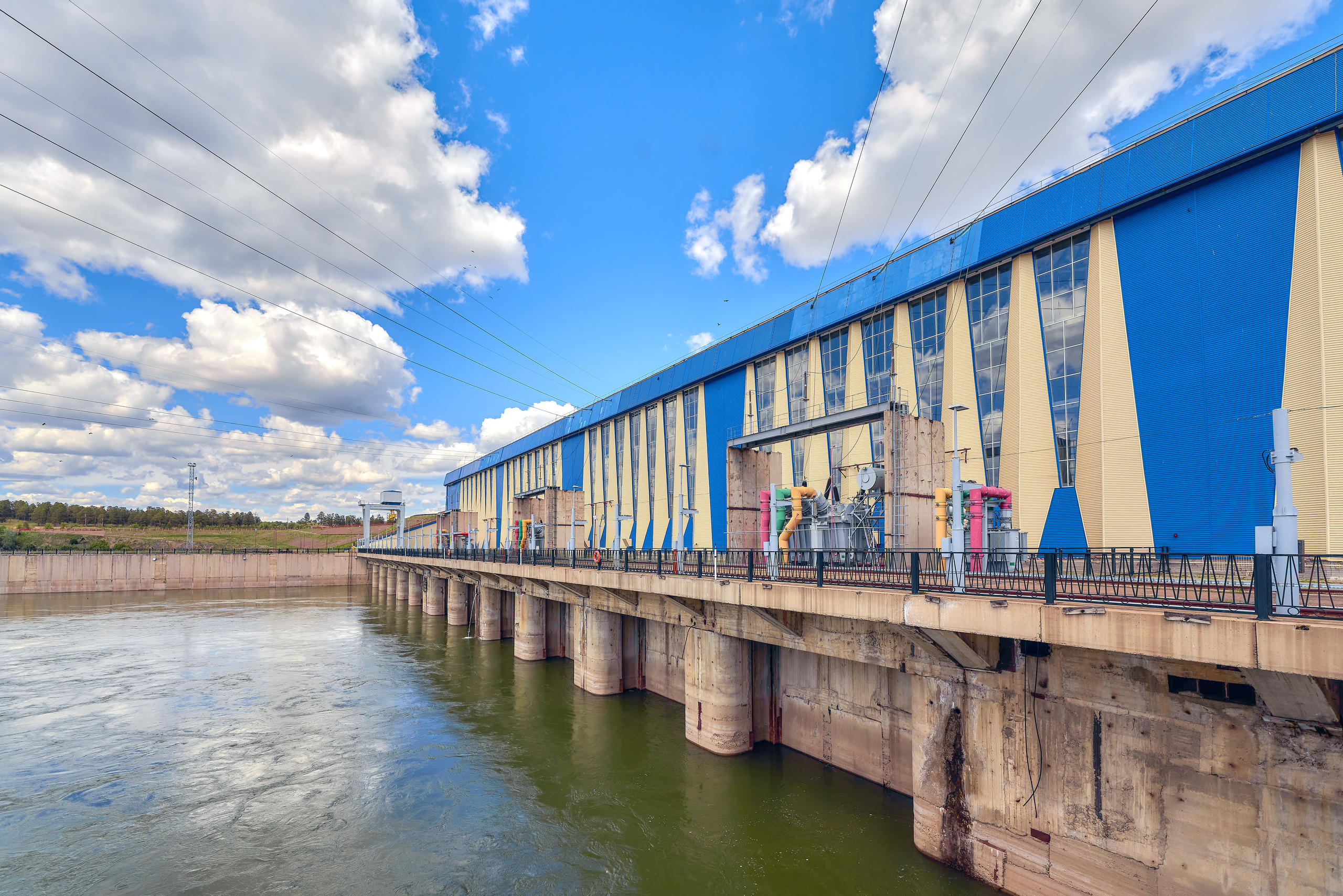
- Bestyubinskoye Reservoir (Moynak HPP)
- Shardara Reservoir (Shardara HPP)
- Shulbinskoye Reservoir (Shulbinsk HPP)
- Ust-Kamenogorsk Reservoir (Ust-Kamenogorsk HPP)
- Canal named after K. Satpayev (Ekibastuz GRES-1 named after Bulat Nurzhanov LLP, Ekibastuz GRES-2 Station JSC)
- Shiderty Canal (Ekibastuz GRES-2 Station JSC)
- Big Almaty Lake and Bolshaya Almatinka River Basin (Cascade HPP)
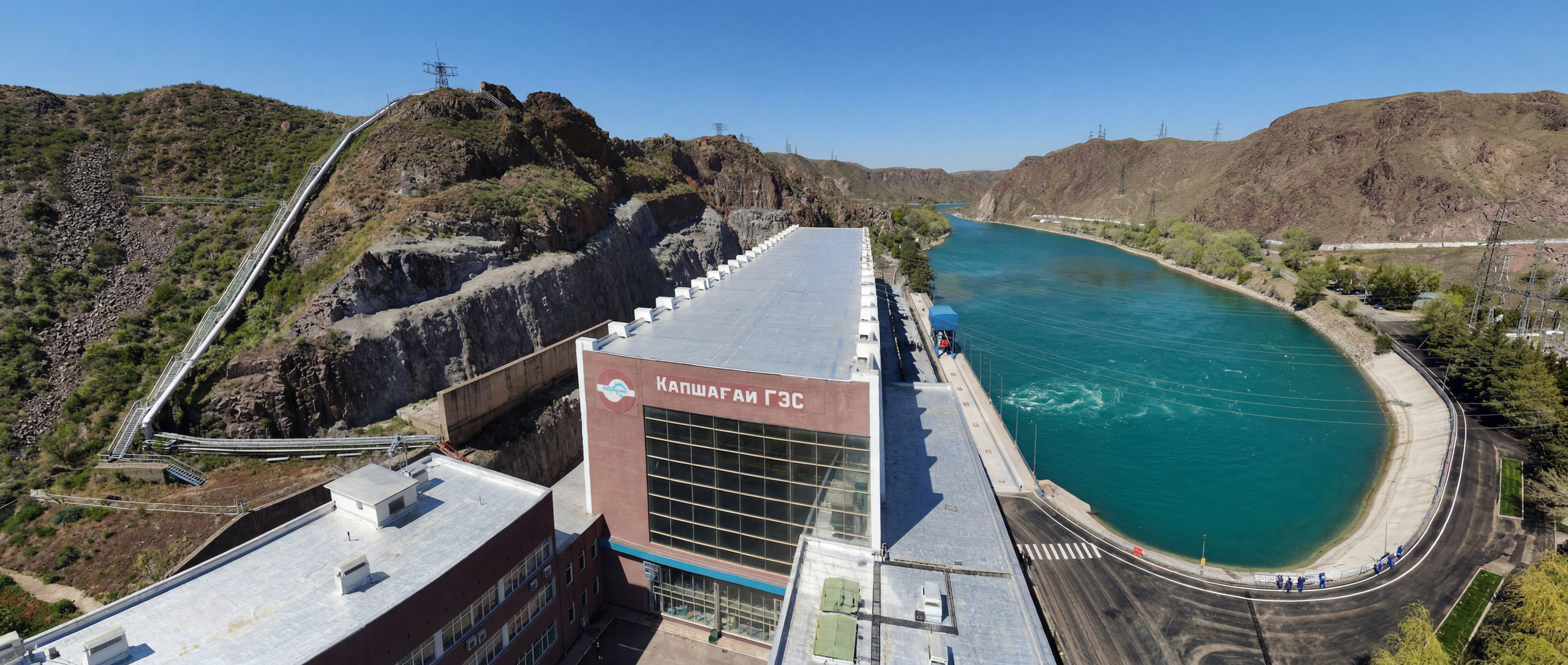
- Kapshagay reservoir (Kapshagay hydroelectric power station).
At the enterprises of Energy Solutions Center LLP (Ekibastuz CHPP), EGRES-1 LLP, EKIBASTUZ GRES-2 JSC, AlES JSC, Bogatyr Komir LLP, Moynak HPP JSC, Shardarinsk HPP JSC, Shulbinsk HPP LLP, Ust-Kamenogorsk HPP LLP and AZhK JSC regularly monitor the quality of water resources. Accredited laboratories analyse wastewater and water sources, identifying pollutants and ensuring a high level of environmental safety. Based on this data, an action plan is developed to optimise water management and minimise environmental impact.
Water intake
GRI 303-1, GRI 12: Coal Sector: 12.7.2
Energy Solutions Center LLP (Ekibastuz CHPP), EGRES-1 LLP, EKIBASTUZ GRES-2 JSC, AlES JSC and Bogatyr-Komir LLP take water in the volumes necessary for production processes, in strict compliance with design and regulatory requirements approved by regulatory authorities. These enterprises are actively developing plans for sustainable water management, including measures to reduce freshwater consumption, effectively treat wastewater, minimise water losses during transportation, and improve wastewater reuse systems.
As part of our water conservation strategy, we have made extensive use of closed-loop water supply systems, including storage cooling reservoirs and once-through ash disposal systems at Ekibastuz TPPs. The Almaty CHPPs used recirculating cooling systems with cooling towers, as well as water from ash dumps, which contributed to improving the efficiency of water use and protecting the environment.
Volume of reused and reused water, megaliters
| Indicator | 2023 | 2024 | 2025 | Δ2025/2024, % |
|---|---|---|---|---|
| Volume of reused water | 8,328 | 12,358 | 11,635 | 5.9 |
| Volume of recycled water | 3,490,881 | 3,541,091 | 3,919,954 | 10.7 |
Water withdrawal
GRI 303-2, 303-3, 303-4, 303-5 GRI 12: Coal Sector: 12.7.3, 12.7.4, 12.7.5, 12.7.6
We adhere to high standards of wastewater management to minimise its negative impact on aquatic ecosystems. "Samruk-Energy" JSC strives not to exceed the established limits of wastewater discharge and to comply with the standards, which helps protect biological diversity and natural habitats.
In 2025, the Environmental Monitoring Programme monitored the quality of water resources, including surface, groundwater and runoff, with the involvement of certified laboratories. Based on the results of the analyses carried out at the facilities of subsidiaries and affiliates, no violations of the established standards for the content of pollutants were revealed.
Drainage takes place in specially designated places: rainwater is directed to river systems and storage reservoirs, and industrial wastewater for the transportation of ash and slag is sent to ash dumps, excluding discharge into natural water bodies. All wastewater, except for that used for hydraulic transportation of ash and slag, is treated until the sanitary and environmental standards established by law are reached.
In the process of production and business activities of subsidiaries and affiliates, two categories of wastewater are formed
- More than 99% of the total volume is wastewater from the hydraulic ash removal system, as well as water treated and used to cool the technical units of the CHPP, and water used for the production of electricity at HPPs.
- Less than 1% of the total volume is domestic wastewater collected from administrative buildings, canteens and office premises.
Wastewater treatment is carried out using modern physicochemical and biological technologies. The development of standards for maximum permitted discharges is based on the methodology approved by the Ministry of Ecology, Geology and Natural Resources of the Republic of Kazakhstan in March 2021. The quality of the treated wastewater is monitored by a certified laboratory, ensuring compliance with environmental regulations.
Assessment of the quality of surface water resources is carried out according to general and special indicators. General parameters include mineralisation, pH, hardness and other parameters, and special parameters include chemical and biochemical consumer oxygen, the content of petroleum products, ammonium salts, nitrates, phosphates and other pollutants.
Priority pollutants in wastewater are determined on the basis of technological features of the production processes of subsidiaries and affiliates, the results of industrial environmental control and the requirements of the environmental legislation of the Republic of Kazakhstan. Control and regulation of discharges are carried out in accordance with the established maximum permissible concentrations (MPC) and standards of permissible discharges approved by authorised state bodies. Discharge limits are established on the basis of permits taking into account the technological characteristics of enterprises.
In order to assess water use and potential risks, an analysis of regions with increased levels of water stress is carried out in accordance with the WRI Aqueduct methodology. Based on the results of the analysis, it was established that the Company did not withdraw water from regions with a high level of water stress.
GRI 303-3, 303-4, 303-5 GRI 12: Coal Sector: 12.7.4, 12.7.6
In 2025, SDCs allocated 71,490,517 megalitres of wastewater for industrial, domestic and drinking needs. At the same time, 99% of the water withdrawn is used for the operation of hydrogenerators of hydroelectric power plants in order to generate electricity. The total volume of water withdrawal amounted to 71,637,863 megaliters in the reporting period.
Data collection process for monitoring water consumption and abstraction
| Enterprise | Data collection process |
|---|---|
| "Samruk-Energy" JSC | Annually, according to the reporting form, as well as, if necessary, information on water use, a request is made to subsidiaries and affiliates. |
| "AlES" JSC | Daily collection of data on water intake/consumption is carried out by requesting data by e-mail on the amount of make-up water transferred to Heat Networks LLP, water consumption from Almaty and Talgar water intakes for the needs of CHPP-1 and CHPP-2, as well as water releases in accordance with the instructions of BABI by fax for Kapshagay HPP and Cascade HPP. All data are displayed in the daily report - Daily report on the stations of “AlES” JSC. Monthly reporting data collection is carried out using e-mail with the provision of the balance of water intake/consumption/disposal from each PD. |
| EGRES-1 LLP and GRES-2 JSC | Detailed accounting of water consumption is maintained through an automated system, which includes daily tracking of the volume of water taken from the Kanysh Satpayev canal for household and drinking needs, as well as water provided to secondary users, used in hydraulic ash removal systems and for other auxiliary purposes, including for industrial and fire safety needs. Data collection and analysis are carried out by entering information into an Excel spreadsheet and keeping a log of primary water accounting, which ensures the accuracy and transparency of water resources monitoring. |
| Ust-Kamenogorsk HPP LLP, Shulbinsk HPP LLP, SHPP JSC and ShHPP JSC | The use of water through the turbines of the power plant is subject to constant monitoring and recording by the operational staff of the plant around the clock. Monitoring of water consumption for domestic and drinking purposes is carried out by the operator of the main pumping water intake. |
| Bogatyr Komir LLP | Every month, in accordance with the approved procedures for the maintenance of energy facilities, specialists responsible for water meters transmit data from these devices for verification and drawing up an official statement of readings in cooperation with the State Enterprise "Gorvodokanal". Historical data on wastewater discharge, recorded by meters installed at key facilities, are printed monthly in accordance with the terms of the contract with the service company. To monitor the turnover of water resources, including consumption, intake and discharge of drainage water, data from water meters are recorded every day and entered into a special register in accordance with the appendix to the rules for primary registration of water use. |
Plans for 2026 and the medium term
In 2026, the Company will continue to implement the Industrial Environmental Control Programme in accordance with the principles of sustainable development and the requirements of environmental legislation. Minimizing the impact of power plants on water resources in the regions of operation will remain a key area.
Environmental control will be carried out with the involvement of licensed and accredited specialised laboratories and is aimed at ensuring a transparent and objective assessment of the state of surface and groundwater.
As part of the monitoring of water resources in the area of influence of the enterprise, the following types of observations are planned
- Control of water quality
- Control of the quantitative and qualitative composition of water from the cooling system of turbine condensers and water for transporting ash and slag waste to the ash dump
- Monthly observations of the impact on water bodies, according to the monitoring schedule presented in the programme.
Groundwater quality will be monitored through a network of observation wells located in the direction of groundwater flow. The wells are equipped with metal heads and have serial numbers.
Waste management
Approach to management
GRI 3-3, 306-1, 306-2, GRI 12: Coal Sector: 12.6.1, 12.6.2, 12.6.3
Responsible waste management is an important component of the environmental strategy of "Samruk-Energy" JSC. We are committed to the efficient use of resources and minimising the impact of waste on the environment at all stages of our operations, from power generation to facility operations.
The Company carries out waste management activities in accordance with the requirements of the legislation of the Republic of Kazakhstan, including keeping records of generated, treated, disposed of, neutralised, transferred to other persons or received from other persons, as well as disposed of waste. The data are summarised quarterly and annually.
Waste management is organised in strict accordance with established standards and procedures, including
- Corporate Environmental Standard
- Waste Management Programs
- Waste management action plan. A
The enterprises carry out careful control over contractors working with waste. During the procurement process, the contractors are checked whether they have the necessary licences and the compliance of material and technical support for safe waste management. Contractors are required to sign contracts confirming compliance with environmental standards and legislation of the Republic of Kazakhstan. Environmental services regularly inspect their activities.
- We actively interact with stakeholders, providing channels for submitting environmental comments through "Samruk-Energy" JSC, all appeals are recorded and carefully considered.
- Waste inventory has been carried out in subsidiaries and affiliates, and for each type of waste, methods for their accumulation have been developed, taking into account the hazard class, toxicity, physical condition and other characteristics.
- Hazardous waste requires specialised disposal, while non-hazardous waste is subject to separate collection and recycling. For separate waste collection, special points and areas are equipped with containers and metal containers marked for ease of identification.
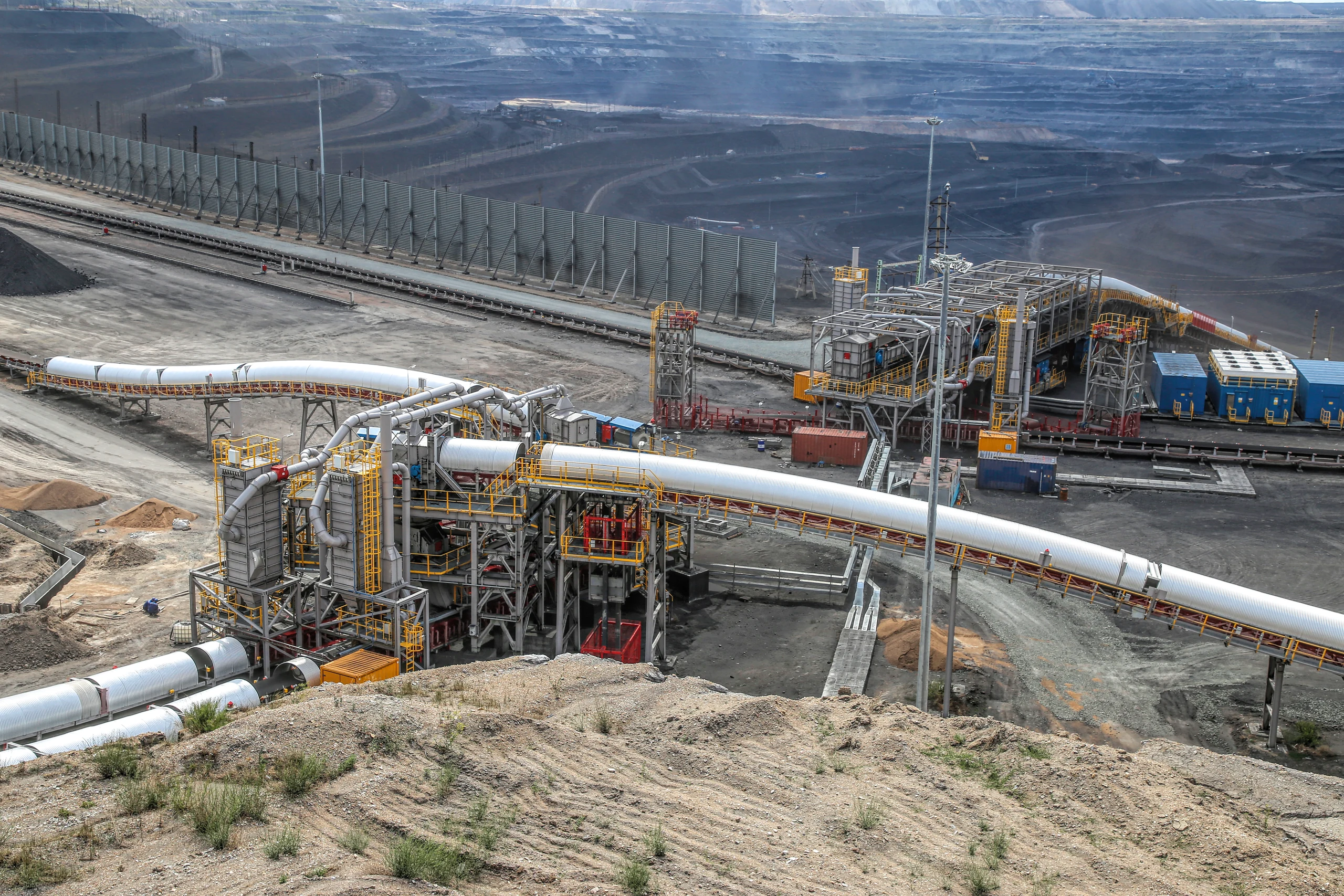
- Bogatyr Komir LLP is actively working to reduce the impact on the environment by reducing the volume of overburden placed on external dumps. The company is developing plans to adapt the mined-out spaces of the Severny and Bogatyr quarries for their use as internal dumps. To prevent oxidation and spontaneous combustion of coal-bearing rocks, inert materials are used to isolate and compact the surface layer of dumps.
- The development of HPPs and renewable energy facilities in "Samruk-Energy" JSC contributes to reducing the amount of ash and slag waste per unit of production.
Waste data collection and monitoring processes
GRI 306-2
In "Samruk-Energy" JSC, waste management is carried out in accordance with the Corporate Standard for Environmental Management in the Group of Companies, which defines uniform requirements for accounting, identification, inventory and control of waste at all stages of its life cycle.
The main processes used to collect and monitor waste data include
- Primary accounting of waste is carried out at the places of its generation on the basis of the actual volume of waste, including its quantity, types and further movement (disposal, transfer, placement, reuse).
- Identification and certification – the type, composition, properties and hazard class of hazardous waste are determined, hazardous waste is accompanied by passports in accordance with the legislation.
- Waste inventory is carried out annually by the enterprises themselves or by licensed third-party organisations to check the completeness of data and assess the condition of waste accumulation and disposal sites.
- Consolidation and reporting – primary data from departments are aggregated in environmental protection services to prepare monthly and annual reports used for planning activities, controlling limits and preparing permits.
- Monitoring and control – includes visual inspection of waste storage and disposal sites, verification of compliance with regulatory requirements, control of waste sorting, labeling, transportation and transfer conditions, as well as corrective actions in case of non-conformities.
- Confirmation of data accuracy – reconciliation with documents (certificates of completion, invoices, coupons, balances in warehouses) and verification of reports by responsible persons and management of subsidiaries and affiliates.
- Measures to reduce the impact and prevent waste generation are aimed at reducing waste volumes, reuse and recycling, optimizing production processes, as well as improving the skills of personnel involved in waste management.
These processes ensure the completeness, continuity and reliability of waste accounting, make it possible to control their impact on the environment and improve the efficiency of waste management at the level of the entire Group of Companies.
Waste Management Indicators
GRI 306-3, GRI 12: Coal Sector: 12.6.4
The enterprises organise the collection of used batteries containing toxic substances, such as lead, mercury and cadmium, which can harm human health and the environment. Used batteries are sent for recycling to prevent them from ending up in landfills. In the period from 2022 to 2025, 278.2 kg of batteries were collected and handed over for disposal at “AlES” JSC.
In the course of their work, Energy Solutions Center LLP (Ekibastuz CHPP), EGRES-1 LLP, EKIBASTUZ GRES-2 JSC, AlES JSC and Bogatyr-Komir LLP do not generate radioactive waste. Radiation monitoring is carried out every quarter, and the results show that radiation levels remain within the safe standard of 2.5 μSv/h, confirming the effectiveness of existing radiation safety measures.
In 2025, 115.8 million tons of waste were generated, which meets environmental requirements. The main types of waste are overburden and ash and slag waste. The volume of waste increased by 6.3% compared to 2024, which is due to an increase in stripping at Bogatyr Komir LLP.
Total volume of waste of "Samruk-Energy" JSC enterprises, tons
| Indicator | 2023 | 2024 | 2025 | Δ2025/2024, % |
|---|---|---|---|---|
| Total waste generated, including | 98,499,049 | 108,956,407 | 115,771,719 A | 6.3 |
| Dangerous | 1,752 | 661 | 747 A | 13.1 |
| Non-hazardous | 98,497,297 | 108,955,746 | 115,770,972 A | 6.3 |
| Of these, for the main types of waste typical for the specifics of production | 98,474,212 | 108,928,448 | 115,742,427 | 6.3 |
| Ash and slag waste | 8,853,230 | 8,949,355 | 8,065,268 | 9.8 |
| Overburden | 89,620,982 | 99,979,093 | 107,677,159 | 7.7 |
Plans for 2026 and the medium term
In 2026 and in the medium term, it is planned to implement a set of measures aimed at improving the production waste management system and reducing its negative impact on the environment and the health of employees. The main areas of work include
- Development and implementation of measures aimed at minimizing the impact of waste on the environment and the health of employees.
- Monthly accounting of waste generation, delivery, regeneration and disposal.
- Transfer of waste to third parties for recycling or disposal.
- Development of technologies for effective handling of ash and slag waste using dust suppression.
- Compliance with the standards for temporary storage of waste (no more than 6 months) until their further disposal or processing.
Biodiversity conservation
GRI 101 Biodiversity 2024
"Samruk-Energy" JSC Group of Companies recognises the importance of biodiversity conservation and rational use of natural resources in the implementation of energy projects.
Our Company prioritises biodiversity conservation and systematically assesses the effectiveness of measures aimed at reducing the impact on natural ecosystems.
The activities of the Company's subsidiaries and affiliates completely exclude the use of specially protected natural areas, protected areas and areas with high biodiversity value.
We are actively working to protect and improve the state of natural ecosystems at all stages of our activities, from power generation to decommissioning.
As part of this work, wildlife conservation projects are being implemented, cooperation is being established with scientific and research institutes, as well as with government agencies. One of the examples of interaction with international environmental organisations is the project of Moynak HPP JSC to preserve the relict ash grove on the Charyn River, implemented with UNDP experts in Kazakhstan.
The Company has in place the Corporate Standard for Environmental Management, which establishes commitment to the principles of environmental responsibility. The document is aimed at preventing and minimizing the impact of operating activities on biodiversity and provides for the implementation of measures to preserve natural complexes, manage environmental risks and control aspects of activities that may affect the state of biological diversity.
Disclosure 101-1. Policies to halt and restore biodiversity
When implementing new projects, we comply with the requirements and principles aimed at preserving biodiversity and reducing the impact on the environment. In particular, the projects provide for
Principles of environmentally responsible implementation of projects
| № | Principle / Requirement | Description |
|---|---|---|
| 1 | Placing objects | Objects are located outside specially protected natural areas, protected areas and areas with high conservation value |
| 2 | Environmental expertise | At all stages of design and construction, environmental expertise and biodiversity impact assessment (EIA) are carried out |
| 3 | Ecosystem restoration | Measures are envisaged to restore degraded and adjacent territories, preserve local flora and fauna |
| 4 | Environmental monitoring | Systematic online monitoring and management of environmental risks, including emergency response plans, is being introduced |
| 5 | Staff training | Employees are trained in environmentally friendly working practices and involved in environmental initiatives |
These measures ensure that projects are implemented with minimal impact on natural ecosystems and are in line with the 2030 targets and long-term 2050 goals set out in the Kunming Montreal Global Biodiversity Framework.
In accordance with the requirements of the Environmental Code of the Republic of Kazakhstan, environmental monitoring is carried out quarterly at facilities of hazard categories I and II of facilities that have a negative impact on the environment with the involvement of accredited organisations with the necessary qualifications and licences. The results of monitoring are quarterly documented in the Industrial Environmental Control Report and sent to the authorised state bodies in the field of environmental protection in accordance with the current legislation.
Industrial environmental control (IEC) is a system of measures carried out by a natural resource user to monitor the state of the environment and its changes under the influence of economic and other activities, to check the implementation of plans and measures for the protection and improvement of the environment, the reproduction and rational use of natural resources, compliance with legislation on environmental protection, standards of its quality and environmental requirements, including production monitoring, accounting, reporting, documenting the results, as well as measures to eliminate the identified non-conformities in the field of environmental protection.
Environmental control is the most important legal measure to ensure the rational use of natural resources and environmental protection from harmful effects, a function of state administration and a legal institution of environmental law.
Based on the role of environmental control in the mechanism of environmental protection, it can be assessed as a key legal measure aimed at preventing the degradation of ecosystems, preserving biological diversity and maintaining ecological balance. Through the systematic monitoring and management of anthropogenic pressures, environmental control contributes to the protection of natural habitats, the prevention of species loss, the maintenance of ecosystem resilience and the preservation of ecological functions vital to both nature and humans.
According to Article 193 of the Environmental Code of the Republic of Kazakhstan, environmental education in organisations is carried out through the integration of environmental technology topics, taking into account regional landscape features and climate change, taking into account the Sustainable Development Goals, as well as through the introduction of specialised and interdisciplinary educational programmes and the inclusion of environmental aspects in academic disciplines. As part of the company's production activities, environmental training and employee education are carried out in order to preserve ecosystems and maintain biodiversity. Employees participate in training programmes, seminars and practical classes on environmental technologies and rational use of natural resources, which increases their environmental competence and helps to reduce their impact on the environment.
Thus, we took part in a seminar held on 23 May 2025 in Astana, on the topic "Education for the conservation and sustainable financing of biodiversity". The event brought together representatives of government agencies, organisations, universities, specially protected natural areas (PAs), as well as students and young professionals. During the workshop, key topics were discussed, basic concepts in the field of biodiversity and sustainable development were highlighted. In the era of global climate change and biodiversity loss, it is especially important to train specialists who are able to combine professional knowledge with environmental thinking and act in the interests of a sustainable future.
Disclosure 101-2. Biodiversity Impact Management
The company coordinates and controls the environmental safety of all subsidiaries and affiliates of the group of companies. We comply with corporate standards for environmental impact assessment, biodiversity conservation and restoration, as well as monitoring the effectiveness of measures taken. All our organisations are guided by the same principles of minimizing the negative impact on ecosystems, including the prevention, mitigation, restoration and compensation of the environmental consequences of their activities.
In the course of the planned activity, an environmental impact assessment is carried out with the receipt of up-to-date and reliable (background) information on the species, sizes and places of distribution of flora and fauna in the territory of the planned activity (including valuable and specially protected ones), on the presence and proximity to the territory of the planned activity of the protected area. Also, the information obtained is taken into account when choosing a site for the placement of various production and auxiliary facilities and alternatives for the implementation of the planned activity, as well as the possible impacts of the planned economic and other activities on the conservation of biodiversity, taking into account the alternatives for the location of production and auxiliary facilities and the implementation of the planned activity. During the EIA procedure, the significance of the impacts on the conservation of biodiversity of the proposed economic and other activities is assessed (the probability of risk occurrence, the degree, nature, scale, zone of distribution, as well as the forecast of environmental and related social and economic consequences).
Measures are determined to reduce, mitigate or prevent negative impacts, including planning of actions to prevent and promptly eliminate possible emergencies, measures to preserve and compensate for aquatic biological resources, assessment of their effectiveness and the possibility of implementation.
For example, every two years in the reservoir of the Kapshagay hydroelectric power station on the Ili River, measures are taken to restore the number of fish populations. The work is carried out in the Ili River (43°55′22" N, 77°05′52" E) in compliance with the requirements of the legislation of the Republic of Kazakhstan, using methods to minimise damage to fish. The effectiveness and the fact of compensation are confirmed by the act of stocking water bodies, signed by the authorised body.
On the territory of the combined ash and slag removal system of CHPP-2 of “AlES” JSC, 1,200 seedlings of deciduous species were planted on an area of 0.335 hectares, on the territory of the sanitary protection zone of CHPP-3 of “AlES” JSC - 1,590 seedlings of deciduous species on an area of 0.444 hectares. To restore green spaces in the sanitary protection zone of GRES-2, 2,000 seedlings were planted over an area of 0.7 ha.
In addition, Bogatyr-Komir LLP implemented additional measures to preserve the ecosystem on the territory of the sanitary protection zone, including an increase in the area of landscaping, 2,655 seedlings were planted, in the warm period, maintenance work was carried out for plantings in 2023-2024, sanitary pruning of the crowns of 1,182 trees and removal of 367 dead trees were carried out.
Also, Bogatyr-Komir LLP carried out landscaping work on the dump No. 1, within the framework of which 725 seedlings (0.6 hectares) were planted.
Landscaping of the territory of the SPZ of category I facilities in accordance with the approved plans for the end of 2025 was completed in full. The total area of landscaping was 27.905 hectares, 17,467 seedlings of green spaces were planted
18 October 2025 - On the territory of school No. 107 of the city of Astana, Samruk-Energy, together with first-grade students, planted spruces, pines and apple trees and contributed to landscaping and the ecological future of the capital.
20 October 2025 - In support of the initiative of the Head of State to develop environmental culture and form a caring attitude to nature, "Samruk-Energy" JSC group of companies held an environmental campaign in Ekibastuz to green the city within the framework of the republican campaign "Aza Kazakhstan". Over 4,000 trees were planted by "Samruk-Energy" power engineers in Ekibastuz
Disclosure 101-3. Access and benefit-sharing
The Company ensures the openness and transparency of environmental information. The Company regularly interacts with government agencies, the expert community and local residents when implementing new projects and conducting environmental impact assessments.
The Environmental Report is regularly submitted to the Company's management and the Health, Safety and Environment Committee, as well as annually to the Board of Directors.
The Company's activities are related to the production of electricity and heat energy based on fuel (coal, etc.) and do not provide for access to genetic resources, their use or commercialisation. The Organisation does not carry out research, development or other activities subject to Access and Benefit-Sharing (ABS) regulation.
In this regard, the norms and measures (Access and Benefit-Sharing, ABS) provided for by international and national legislation do not apply to the activities of the Society.
There are no significant cases of non-compliance with ABS legislation.
The production facilities of "Samruk-Energy" JSC are located in anthropogenically modified areas of the urban environment or in an industrial zone and have a minimal impact on biodiversity.
The Kapshagay HPP and the Cascade of HPPs of "AlES" JSC are located in the areas of cultivation of cultivated plants and the location of freshwater reservoirs and have an insignificant impact on biodiversity. Their activities are planned taking into account the ecological features of the territories and have an insignificant local impact on biodiversity. Measures to minimise impacts include monitoring the hydrological regime and maintaining the habitat of aquatic and coastal species.
Disclosure 101-4. Identification of impacts on biodiversity
The main potential impacts on biodiversity in the Group's activities are related to
- Use of land plots for the placement of energy infrastructure
- Operation of Hydropower Facilities
- Disposal of ash and slag waste
- The use of water resources for production needs.
When implementing renewable energy projects, the state of ecosystems in the territory where the facilities are located is analysed.
For solar power plants, the most significant potential impact on biodiversity is related to land conversion during the construction phase.
For wind farms - with a potential impact on the avifauna, as well as local soil disturbance during construction.
The operational activities of renewable energy facilities are characterised by a low level of direct impact, provided that environmental requirements are met
For example, on the territory of the solar power plant with a capacity of 1 MW of Samruk-Green Energy LLP in Almaty, the formation of man-made soil cover was revealed, while the Red Book species of plants and animals were not found in this area.
In accordance with the Action Plan for Environmental Protection Management in "Samruk-Energy" JSC Group of Companies for 2025, "Shardarinsk HPP" JSC, "Moynak HPP" JSC, "Ust-Kamenogorsk HPP" AES LLP, "Shulbinsk HPP" AES LLP, "AZhK" JSC and " FWPS" LLP have developed and approved Monitoring Plans for the impact of economic activities on flora and fauna.
The personnel of "AlES" JSC (Kapshagay HPP and Cascade of HPPs), "ShHPP" JSC, "SHPP" JSC, "UKHES" LLP and "ShulHPP" LLP conduct weekly monitoring of the state of biodiversity during the vegetation period (inspection of the river surface for the death of fish resources). During the reporting period, no cases of fish death were recorded, the results of monitoring the state of the river surface are reflected in the logs of the hydroelectric power plant.
UKHPP LLP and ShulHPP LLP carry out stocking annually, and AlES JSC (Kapshagay HPP) once every two years. At the end of 2025, stocking had been completed at 2 out of 3 HPPs (66.7%).
On 23.09.2025, “AlES” JSC stocked the Kapshagai reservoir, released 3,500 yearlings of carp.
On 08.10.2025, UKHPP LLP stocked the Shulba reservoir, released 78,710 carp fingerlings.
The annual research work "Calculation of the level of contamination of environmental components in the area of solid industrial waste storage facilities - overburden dumps of Bogatyr Komir LLP" is carried out. The main goal is to determine the degree of degradation of environmental components under the influence of man-made load due to the placement of production waste - overburden - on the external rock heaps.
According to the scientific work, the state of the environment (ecosystem) in the area of waste storage facilities produced by Bogatyr Komir LLP is classified as permissible, at which the content of individual pollutants does not exceed the MPC in the components of the environment. There are no rare and endangered plants in the zone of influence of waste accumulators. There are no natural food and medicinal plants. Rare or endangered species of animals listed in the Red Book of Kazakhstan are not found in the area of work.
101-5 Areas impacted by biodiversity
The company's main production facilities are located in areas with varying degrees of anthropogenic impact. The biodiversity impact assessment took into account the nature of the sites' activities, their location and their interaction with the surrounding natural ecosystems.
Ekibastuz GRES-1 named after B. Nurzhanov LLP and Ekibastuz GRES-2 Station SO are located in the industrial zone of the Ekibastuz energy hub, which has been used for electricity production for a long time. These facilities are located in previously disturbed and technologically transformed areas formed as a result of many years of industrial activity (placement of ash dumps, energy infrastructure).
In this regard, the direct impact of the stations on natural ecosystems and biodiversity is limited, since the adjacent territories are already characterised by a high degree of anthropogenic transformation and do not belong to areas with high ecosystem integrity. The main environmental aspects of the activities of these facilities are mainly related to the management of emissions, water use and ash and slag waste management.
Ust-Kamenogorsk HPP, Kapshagay HPP, Shardara HPP and Moynak HPP named after U.D. Kantayev JSC operate on water bodies and, as hydraulic structures, can affect the state of aquatic and coastal ecosystems.
Key potential impacts include
- Changes in the hydrological regime of rivers associated with flow regulation and reservoir operation
- Changes in the habitat of aquatic biological resources, including migration and reproduction of fish
- Transformation of coastal and wetland ecosystems in the reservoir zone
- Changes in the seasonal dynamics of water levels, which can affect ecosystem processes in the tailrace.
At the same time, the operation of hydroelectric power plants is carried out in accordance with the requirements of environmental legislation and water use regimes established by authorised state bodies. As part of its operations, measures are taken to minimise the environmental impact, including monitoring the state of aquatic ecosystems.
"Moynak HPP named after U.D. Kantayev" JSC is located on the Sharyn River in the Almaty region of the Republic of Kazakhstan and is a hydropower facility that generates electricity by regulating the flow of the river and the use of water resources of the Moynak reservoir.
In relative proximity to the area where the station is located, there is a specially protected natural area - the Charyn National Park, located at a distance of about 40-50 km from the Moynak hydroelectric power station. The national park is an area important for the conservation of biodiversity and natural landscapes of the region.
The potential impact of the Moynak HPP on biodiversity may be related to the peculiarities of the functioning of hydraulic structures, including
- Regulation of the hydrological regime of the Sharyn River
- Changes in the natural dynamics of water flow
- Possible impacts on aquatic and coastal ecosystems in the reservoir area and downstream.
At the same time, the Moynak HPP is not located directly on the territory of a specially protected natural area, but is located at a considerable distance from the borders of the Charyn National Park. The plant is operated in accordance with the requirements of the environmental legislation of the Republic of Kazakhstan and the established water use regimes, which is aimed at minimizing the possible impact on the environment and natural ecosystems.
Samruk-Green Energy LLP implements projects in the field of renewable energy sources, including solar and wind power plants in the Republic of Kazakhstan.
Renewable energy facilities, as a rule, are located in previously developed or intact areas that do not belong to specially protected natural areas. Compared to traditional generation, such projects are characterised by a significantly lower level of impact on biodiversity, since there are no emissions of pollutants, the formation of ash and slag waste and significant consumption of water resources during operation.
Potential impacts of renewable energy facilities on ecosystems can include
- Change in the structure of land use in the territory of the location of facilities
- Local impact on vegetation cover during construction
- The possible impact of wind farms on the migratory routes of birds and bats.
Previously, during the implementation and operation of projects of Samruk-Green Energy LLP, the requirements of environmental legislation were taken into account and environmental expertise was carried out during the environmental impact assessment, which minimises the possible impact on biodiversity and natural ecosystems.
Disclosure 101-6. Direct drivers of biodiversity loss
Production processes can have potential impacts on components of natural ecosystems, including water resources, soil cover, vegetation and wildlife.
The main sources of potential impact are
- Use of water resources for technological processes and equipment cooling
- Emissions of pollutants into the atmosphere
- Disposal and transportation of industrial waste
- Operation of hydraulic structures and energy infrastructure
- Changes in landscapes and lands in the location of production facilities.
In order to prevent a negative impact on biodiversity, the Company has introduced a corporate standard for environmental management aimed at minimizing environmental risks, including risks to natural ecosystems and biological diversity.
Disclosure 101-7 Changes in Biodiversity
"Samruk-Energy" JSC carries out systematic environmental monitoring in the areas where its production assets are located. Monitoring is carried out as part of industrial environmental control programmes and is aimed at assessing the state of natural components of the environment.
As part of the monitoring, the following parameters are monitored
- Ambient air quality
- Condition of surface and groundwater
- Soil cover condition
- State of flora and fauna
- State of aquatic biological resources.
At hydropower facilities, regular visual inspections of the water surfaces of reservoirs for fish mortality are carried out, as well as measures for the reproduction of fish resources (stocking of water bodies).
At the Company's industrial facilities of category I, wastewater is not discharged into natural objects. Artificial structures or drainless water bodies that meet all the requirements of building codes to prevent negative impact on groundwater are used as wastewater reservoirs.
According to the results of industrial environmental control for 2025, no exceedances of permissible concentrations of pollutants in wastewater were recorded.
As part of the implementation of the Environmental Safety Program of "Samruk-Energy" JSC Group of Companies for 2025, the following were carried out at the facilities of "FWPS" LLP and "SGE" LLP:
- Monitoring the routes of power lines and the territories of wind farms to identify the possible death of birds
- Measures for environmental information and training of personnel.
At the end of 2025, no cases of bird collisions with wind turbines were recorded. The monitoring results are recorded in the relevant logs of the wind farm.
Disclosure 101-8. Ecosystem services
Conservation of biodiversity is one of the key directions of the environmental policy of "Samruk-Energy" JSC. The Company implements a set of measures aimed at preventing, minimising and compensating for the impact of production activities on natural ecosystems.
Key measures include
- Environmental Planning and Management
- Implementation of corporate environmental management standards
- Conducting an environmental impact assessment during the implementation of projects
- Development and implementation of plans for monitoring the impact of economic activities on flora and fauna.
Land reclamation
We strictly adhere to our commitment to land reclamation, which allows us to significantly reduce negative environmental impacts and at the same time increase environmental and social benefits. To ensure the sustainability of the closure and rehabilitation of depleted quarries, we allocate significant funds to cover all related costs.
A key element of reclamation is the active participation of local communities, which increases the transparency of our actions and takes into account the interests of residents. This collaboration helps to better understand the needs of the community and provides a basis for the development of effective ecosystem restoration plans.
We pay special attention to the development and implementation of measures aimed at reducing the impact of our activities on the environment. In this context, special attention is paid not only to the restoration of the ecological value of reclaimed areas, but also to the support of biological diversity and the protection of unique ecosystems.
Liquidation of ash dumps
In accordance with the Environmental Code, we have a legal obligation to dispose of ash dumps, which are specialised areas for the disposal of waste generated in the course of our operations.
In 2025, the estimated value of the fund for the liquidation of ash dumps amounted to 3,345.2 million KZT, which is 10.5% lower than the previous year. The decrease is due to the use of the reserve, as well as the revision of inflation rates and discount rates as of the reporting date. Book value of the provision for the liquidation of ash dumps, million KZT
| 2024 | 2025 | Δ 2025/2024, % |
|---|---|---|
| 3,739.3 | 3,345.2 | -10.5 |
The assessment of the current reserve for the elimination of ash dumps is based on the current environmental legislation of the Republic of Kazakhstan and is supported by technical and economic calculations and engineering studies that meet modern standards and methods of reclamation. The assessment may be adjusted depending on the results of future environmental studies and updates to reclamation and restoration programmes.
Plans for 2026 and the medium term
- Landscaping and increasing the area of green spaces
- Regular laboratory tests as part of industrial environmental control to monitor and assess the environmental impact of the Company's activities
- Reclamation of exhausted areas of ash dumps, including their restoration and transformation into environmentally safe and functional zones.